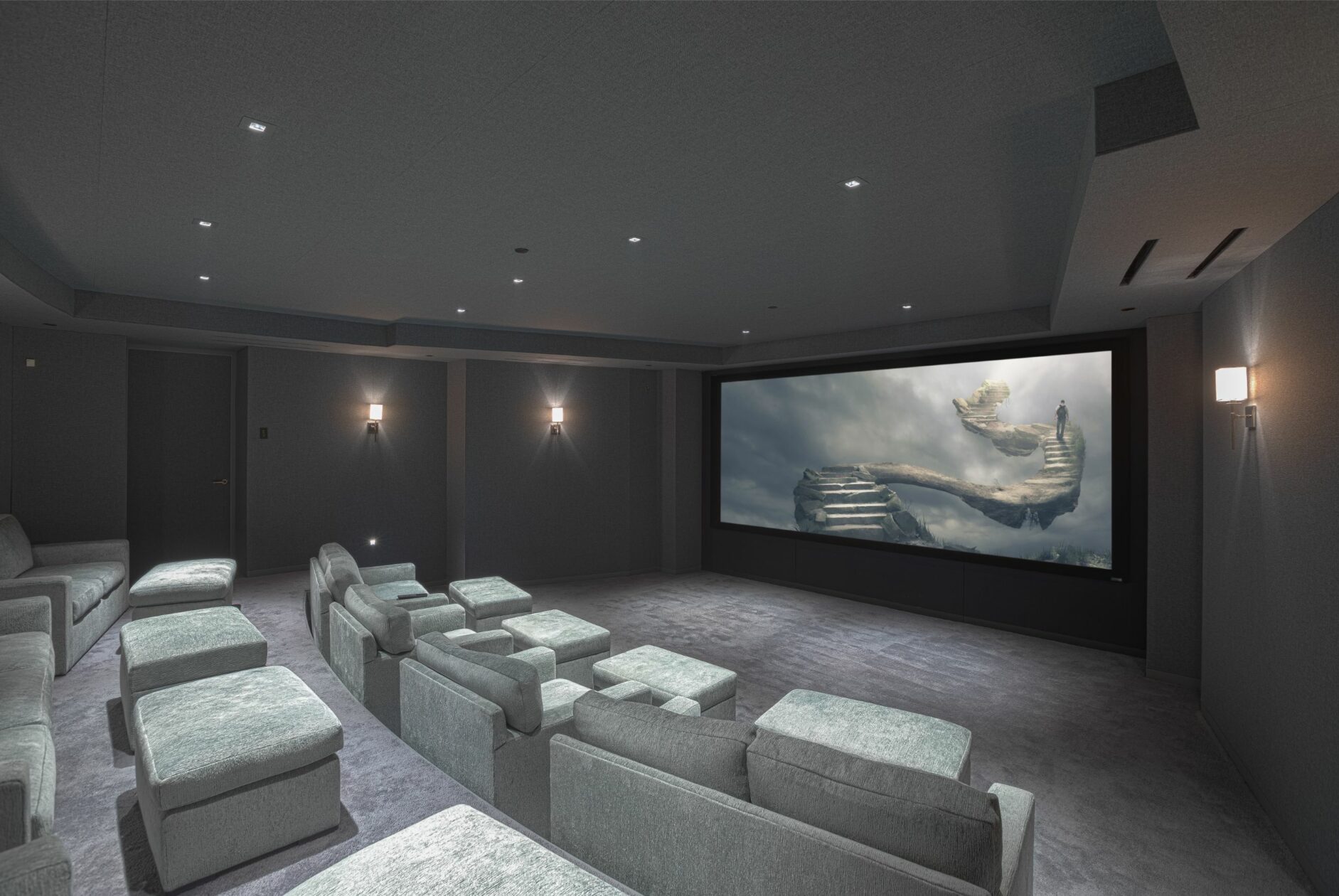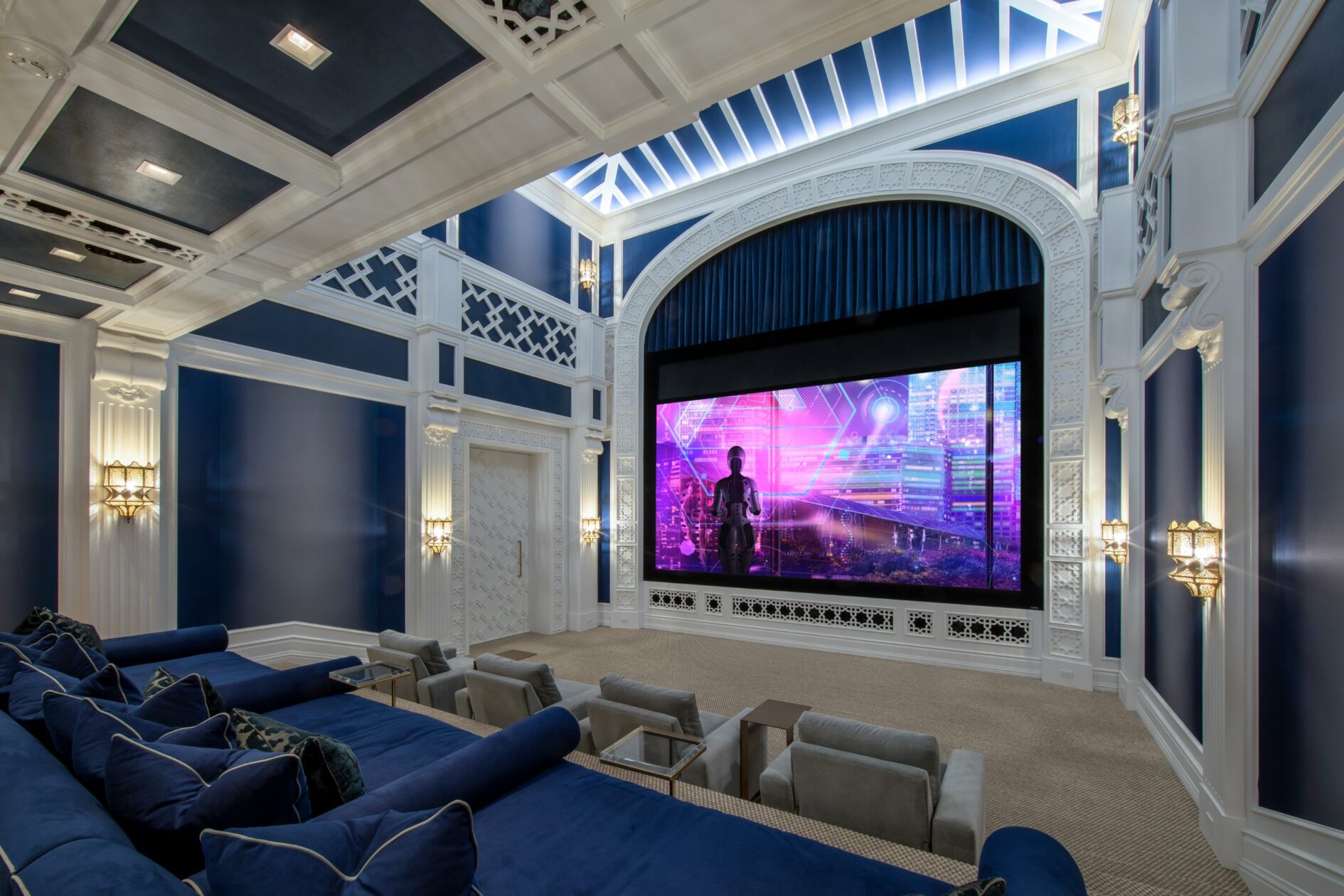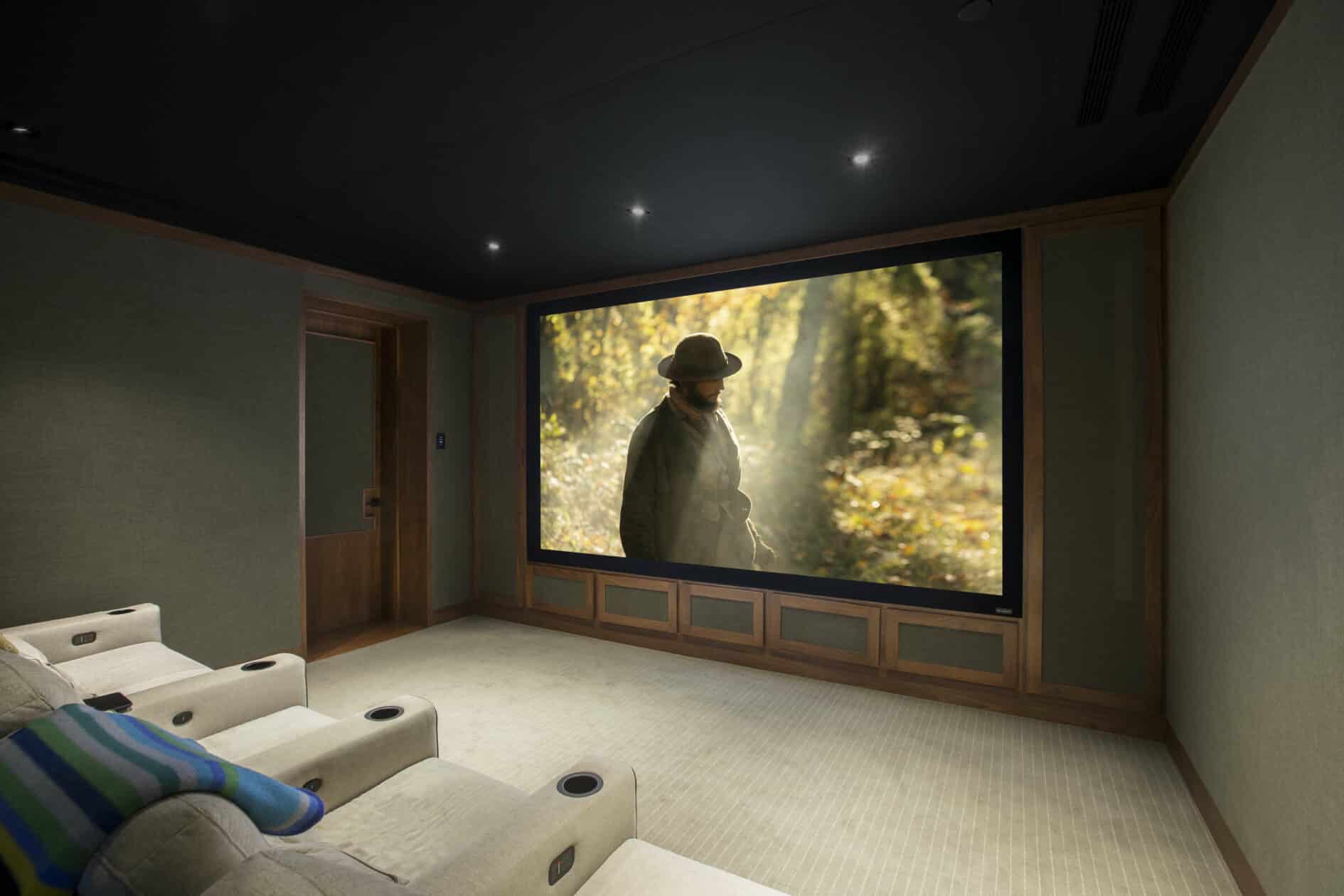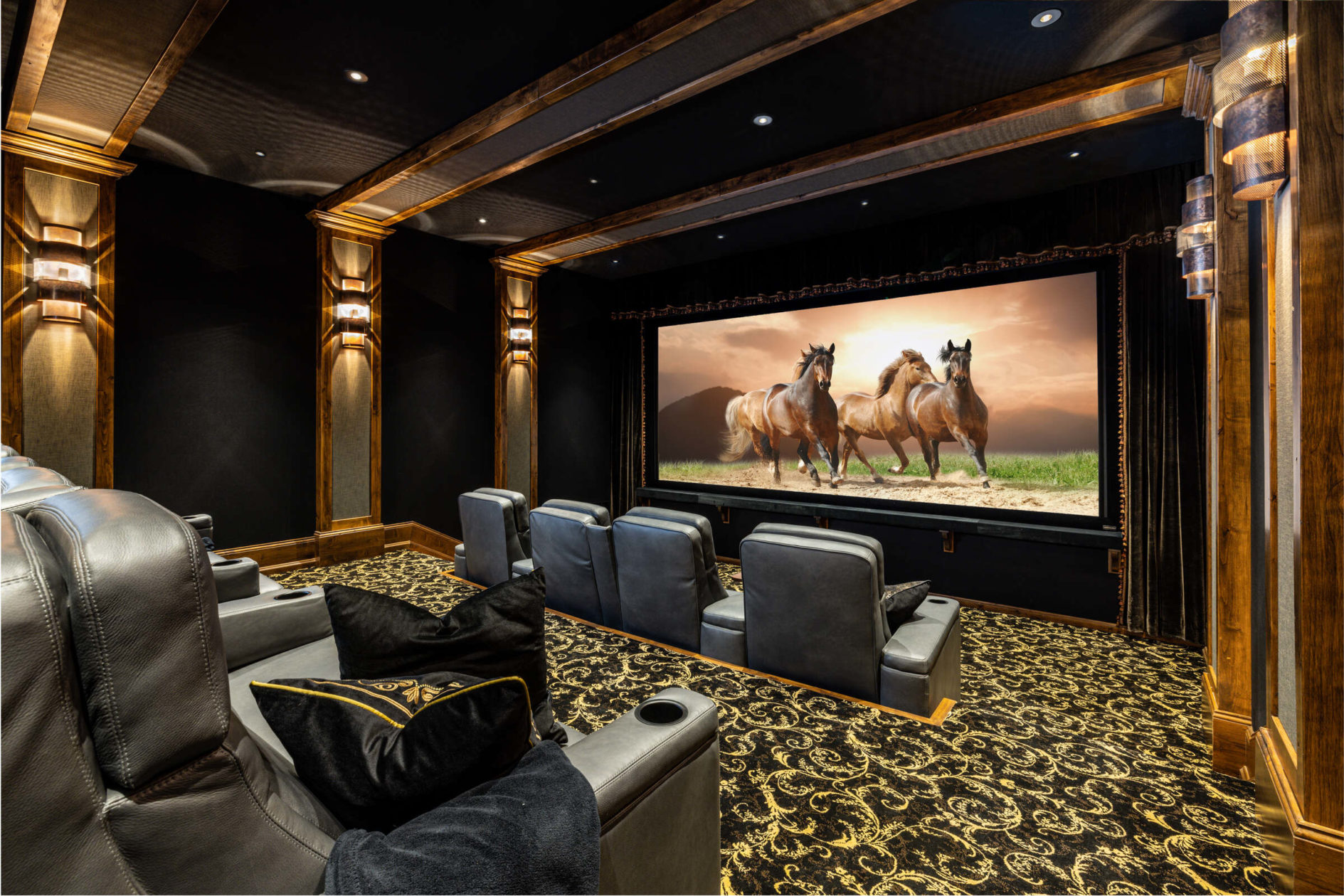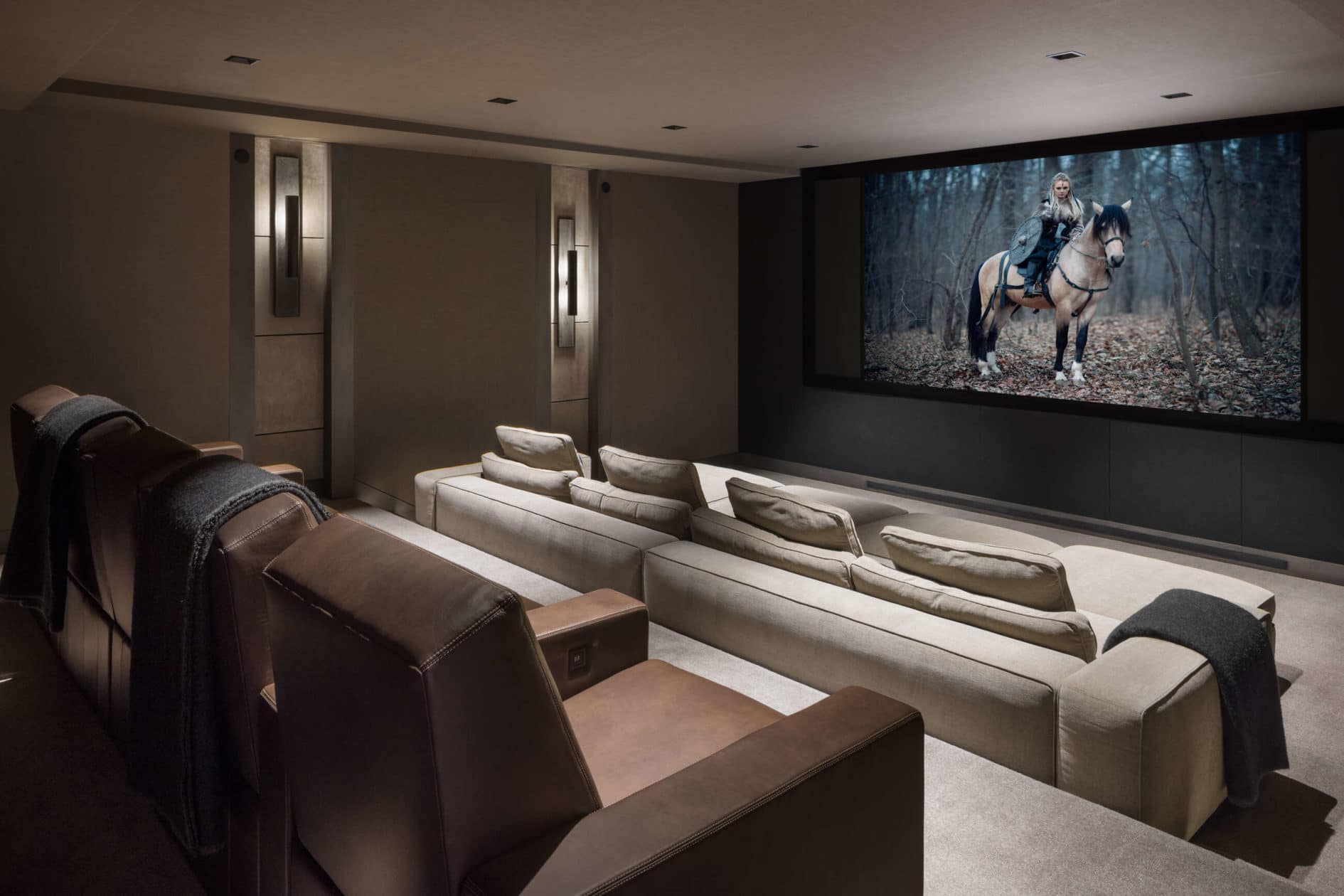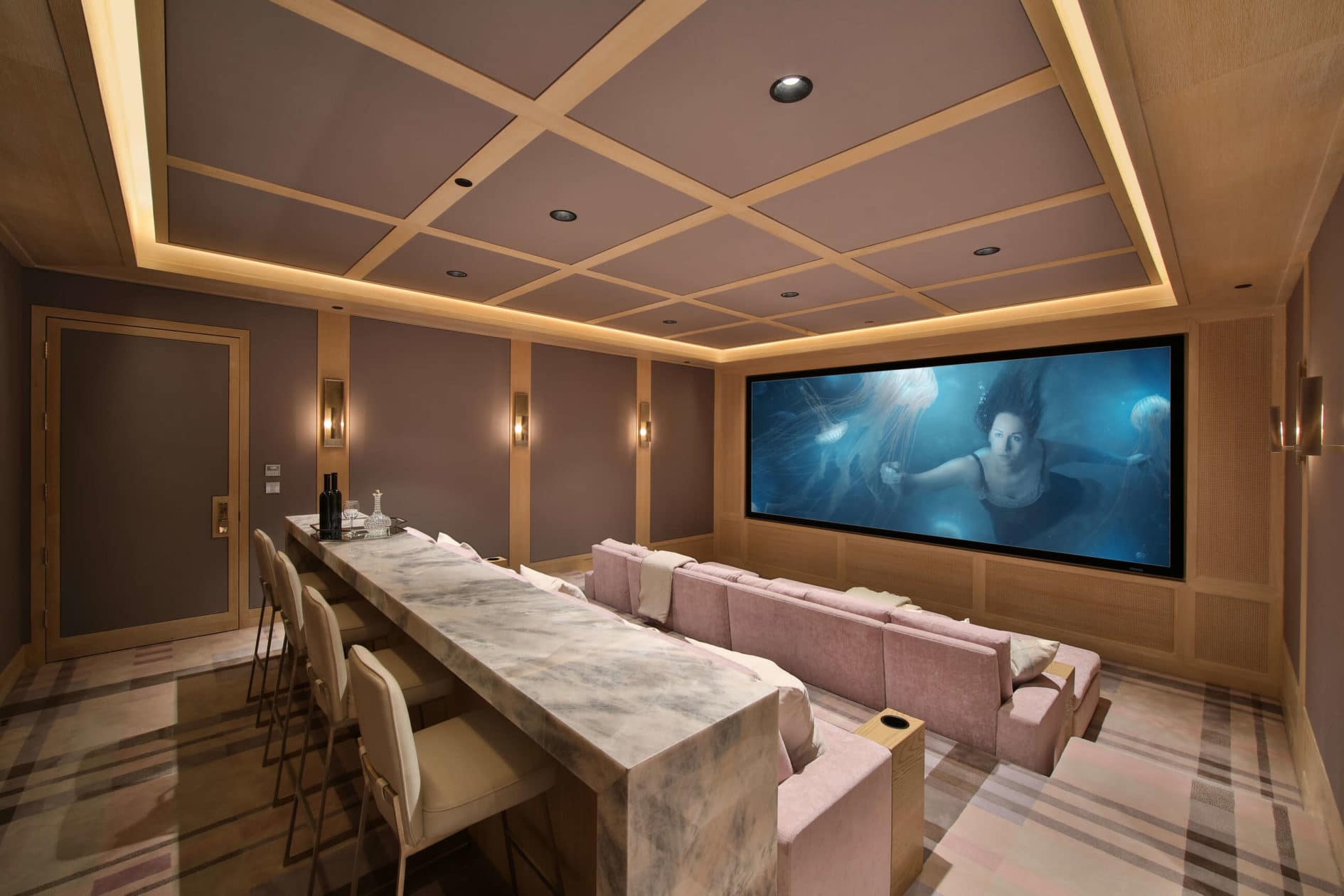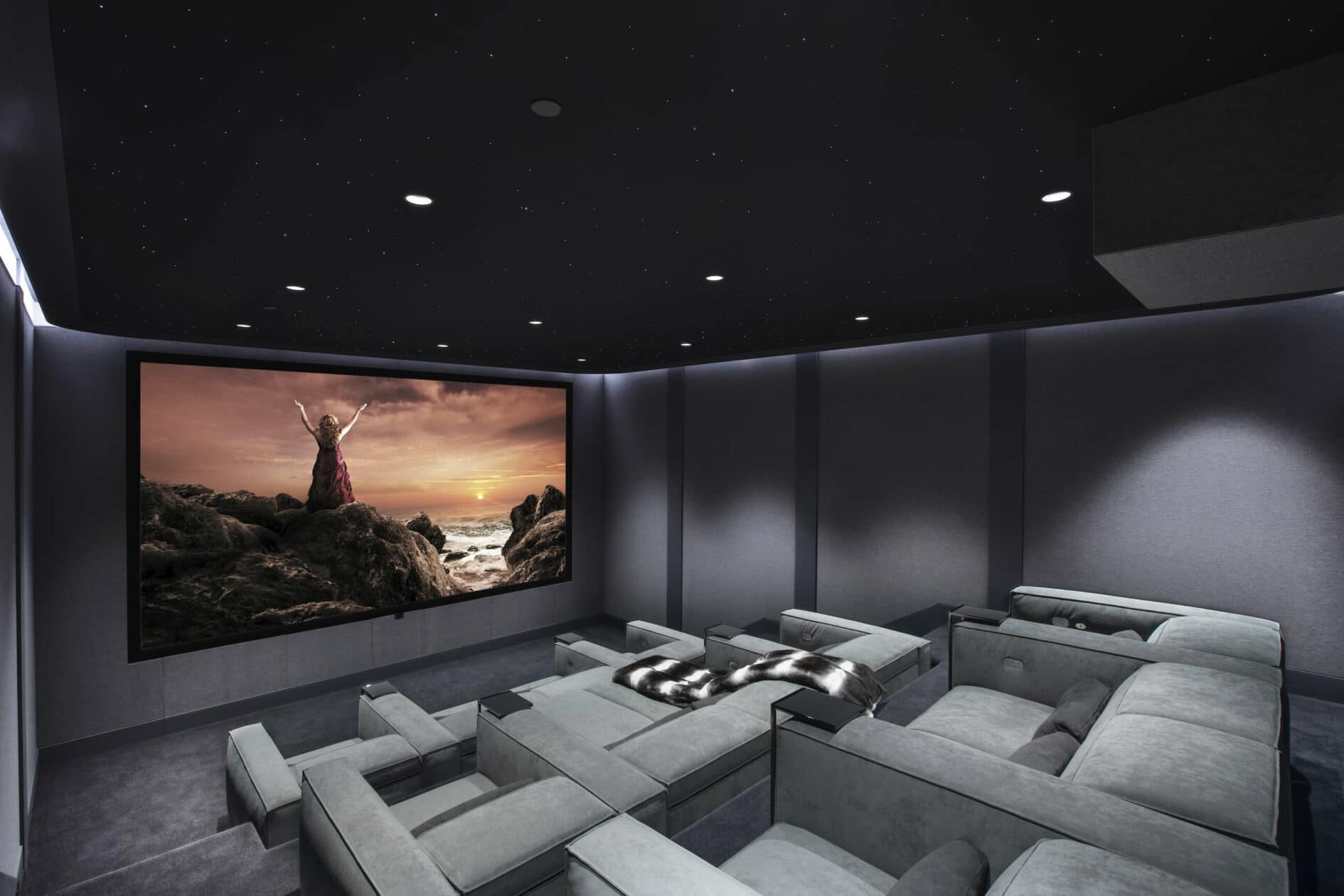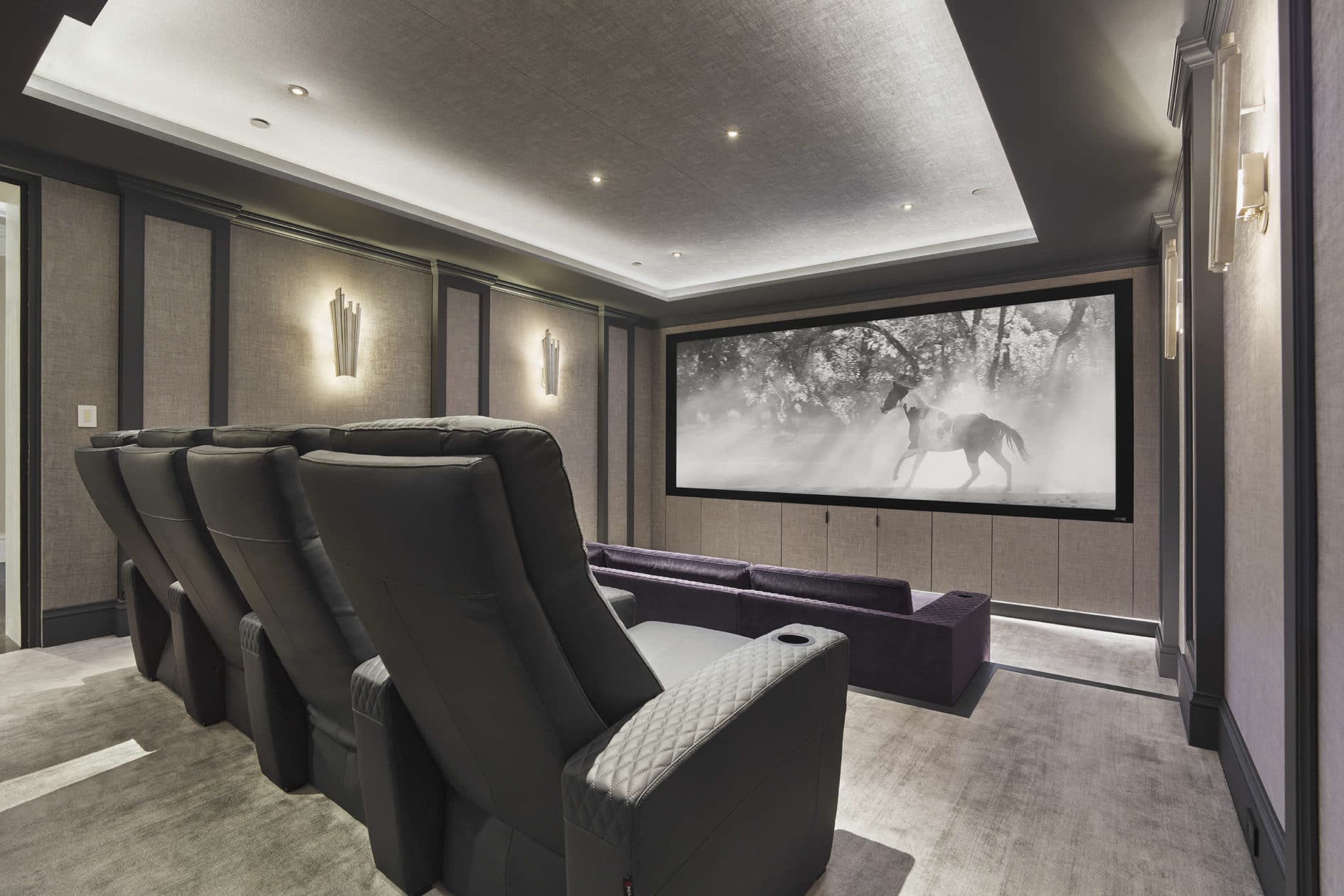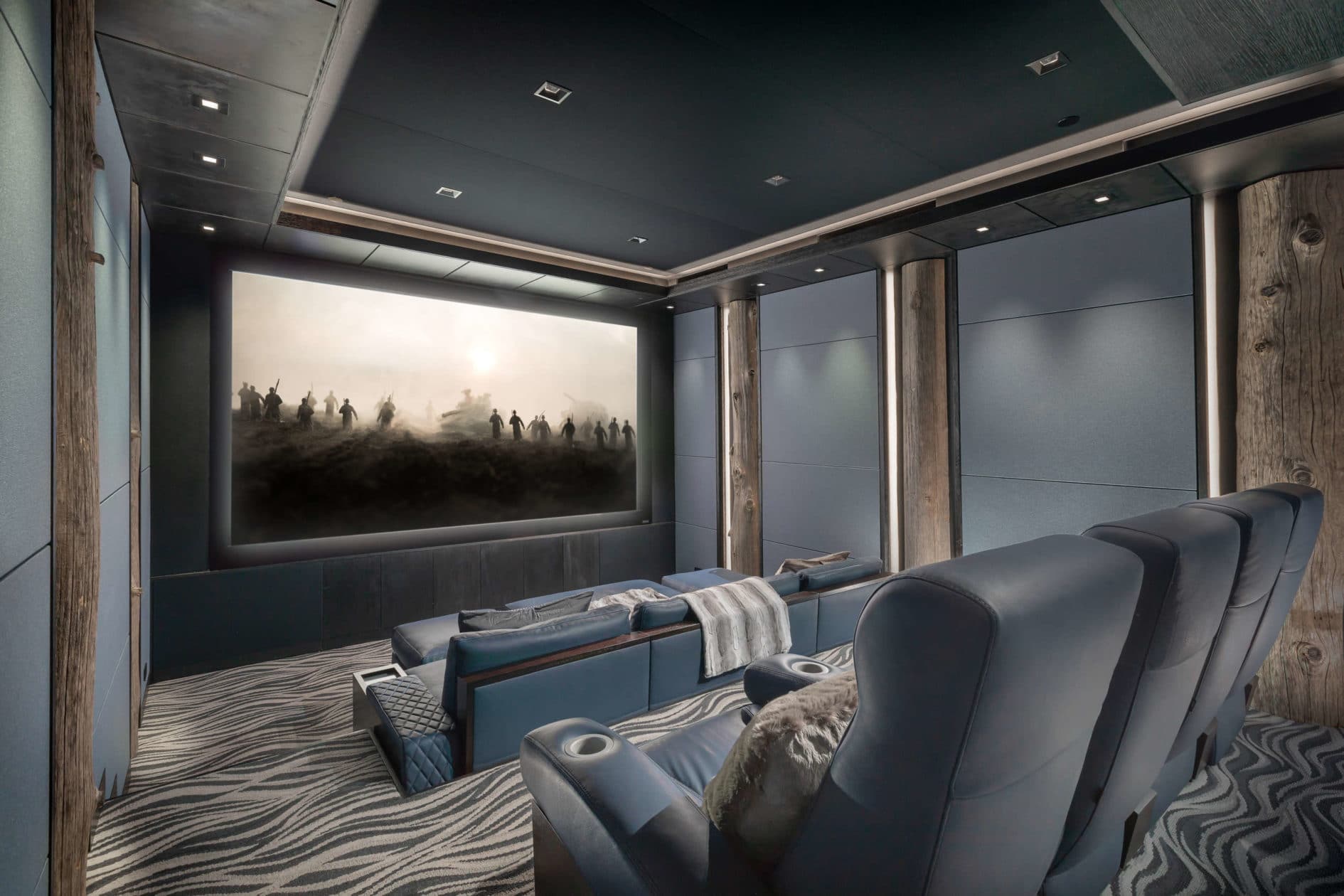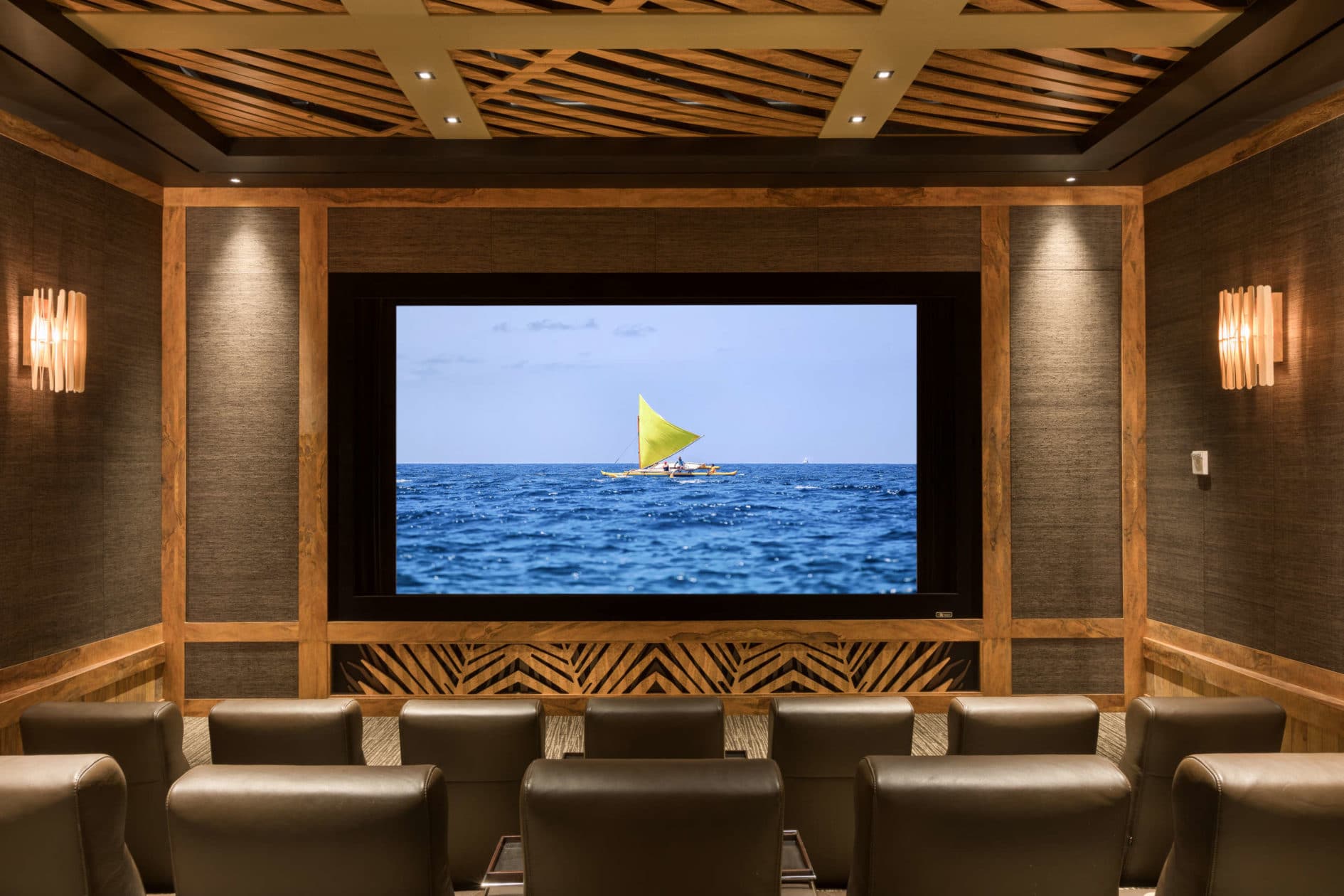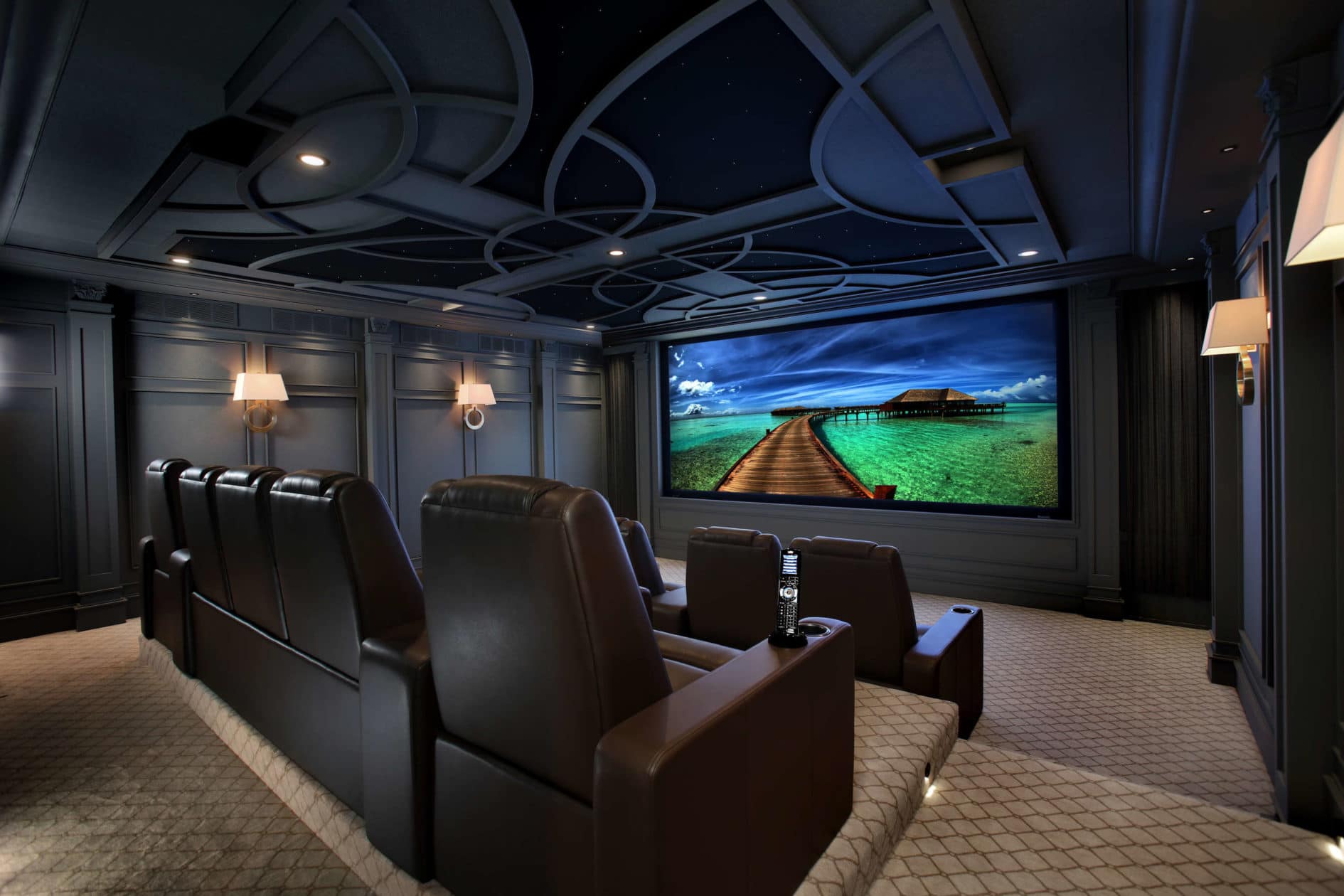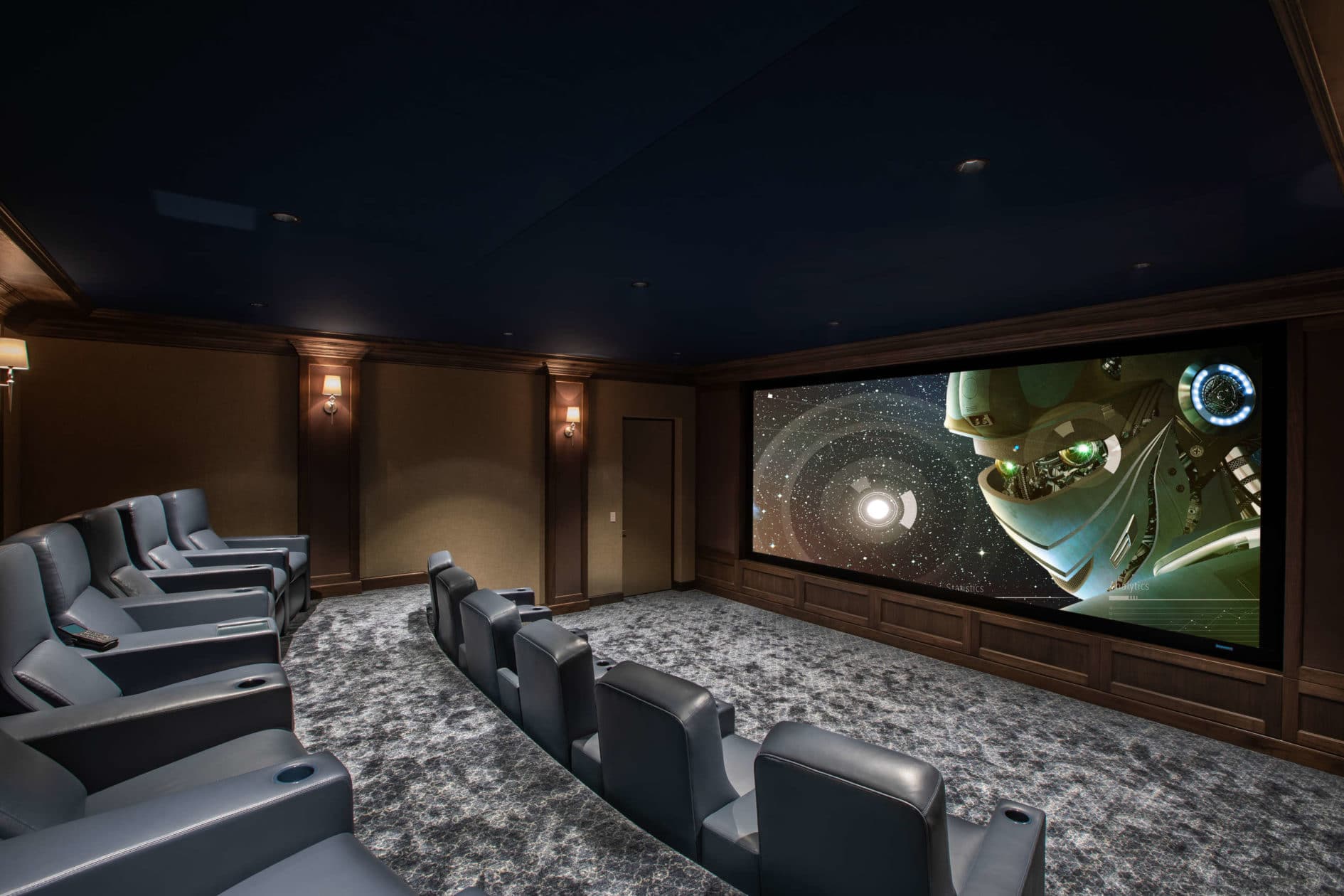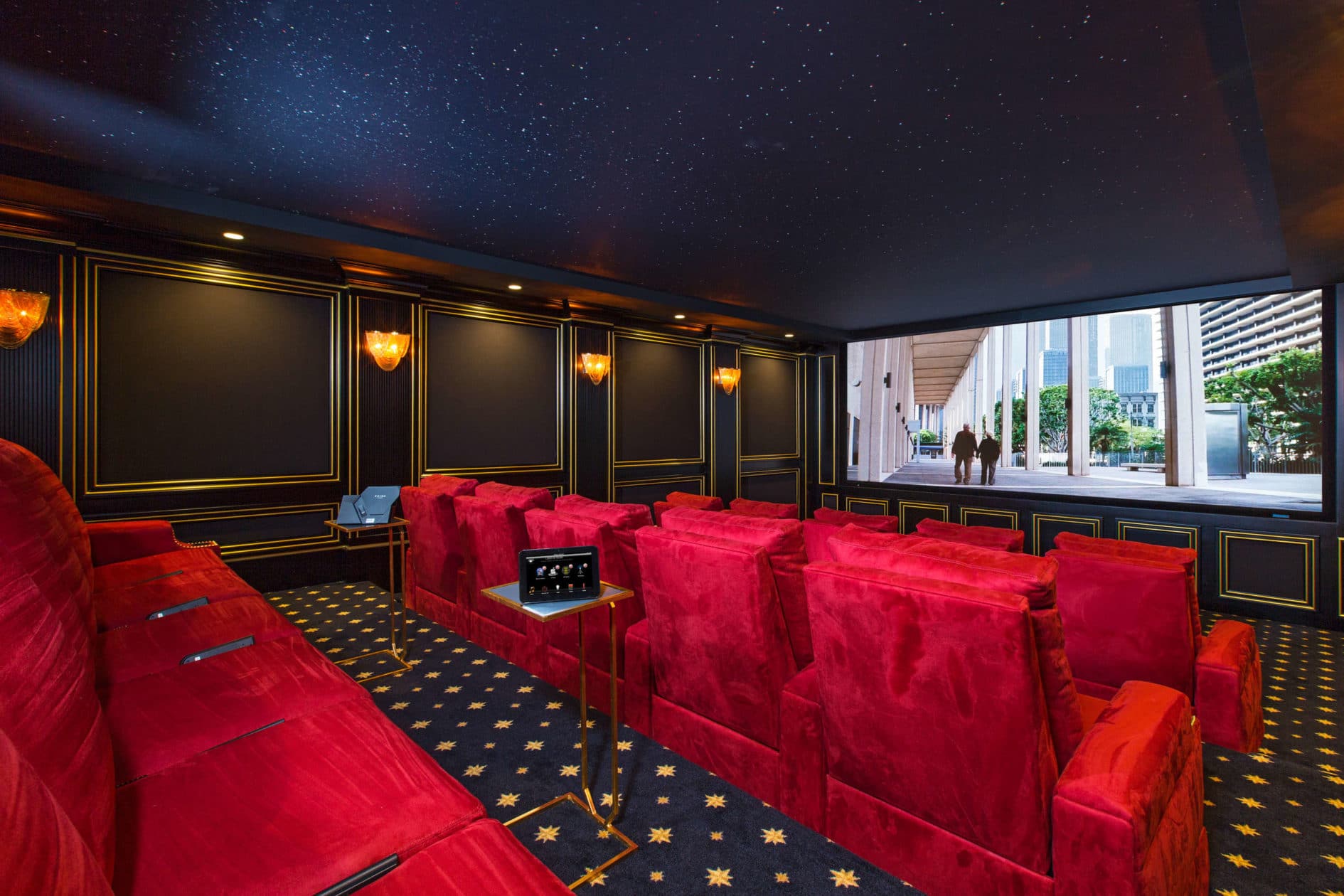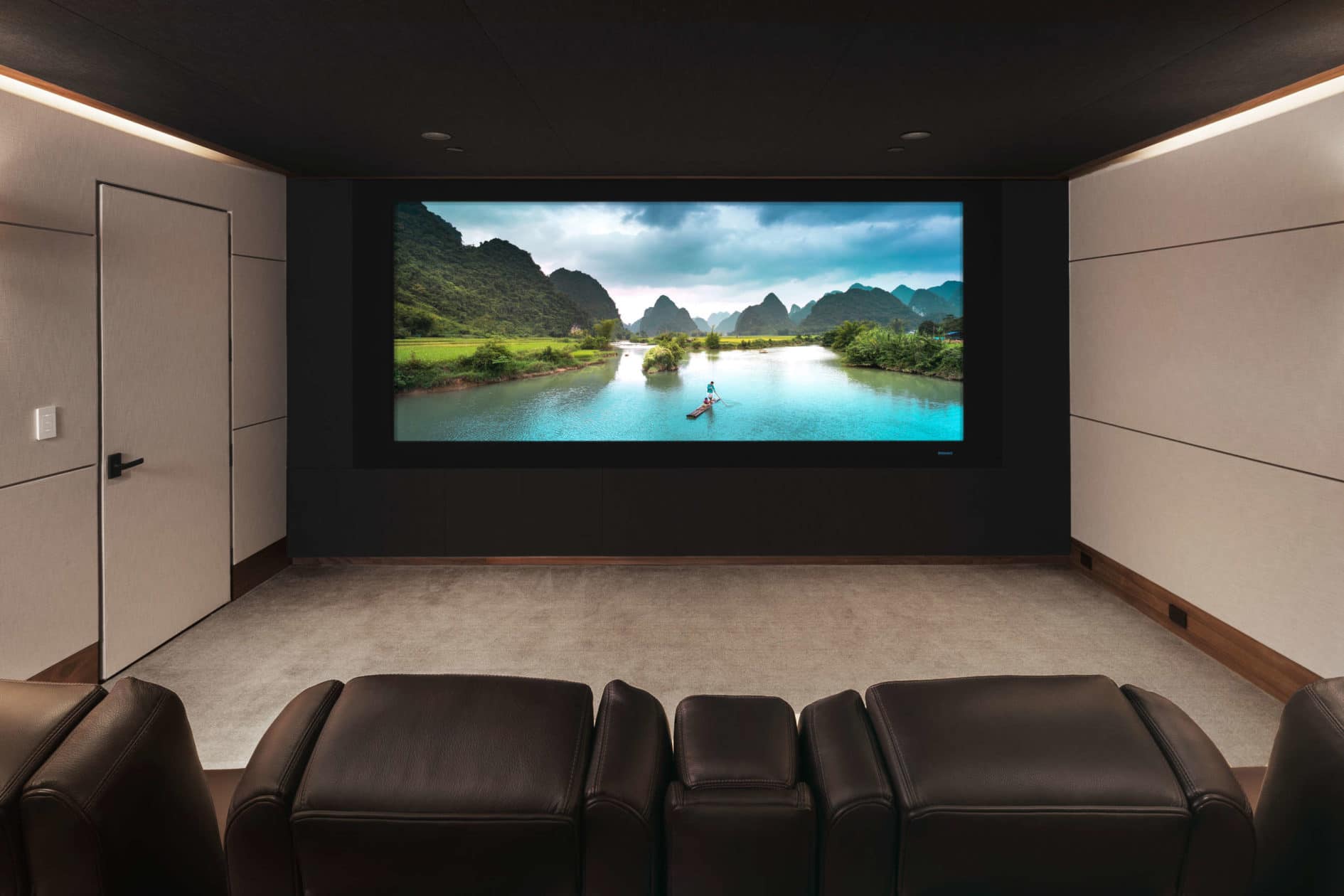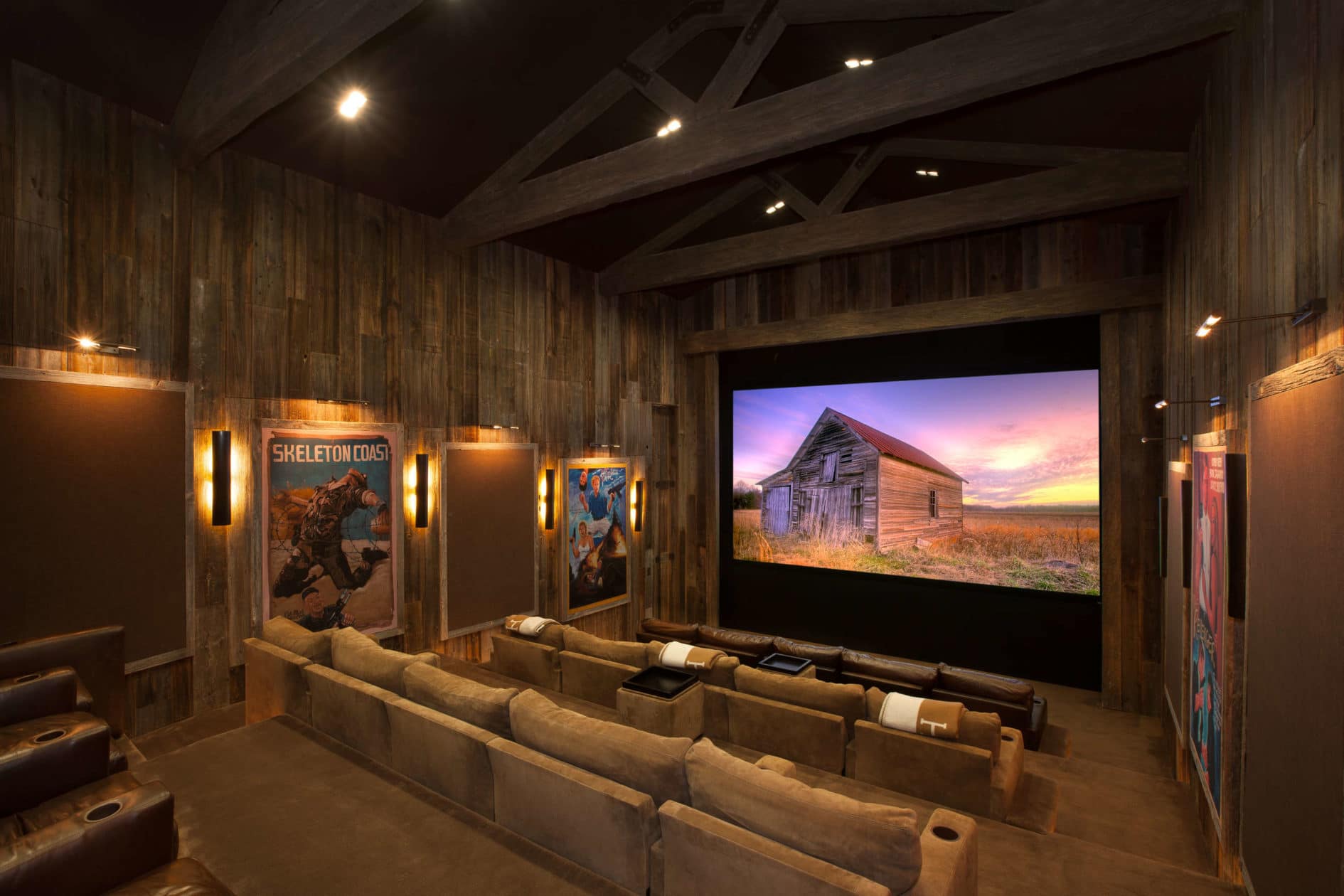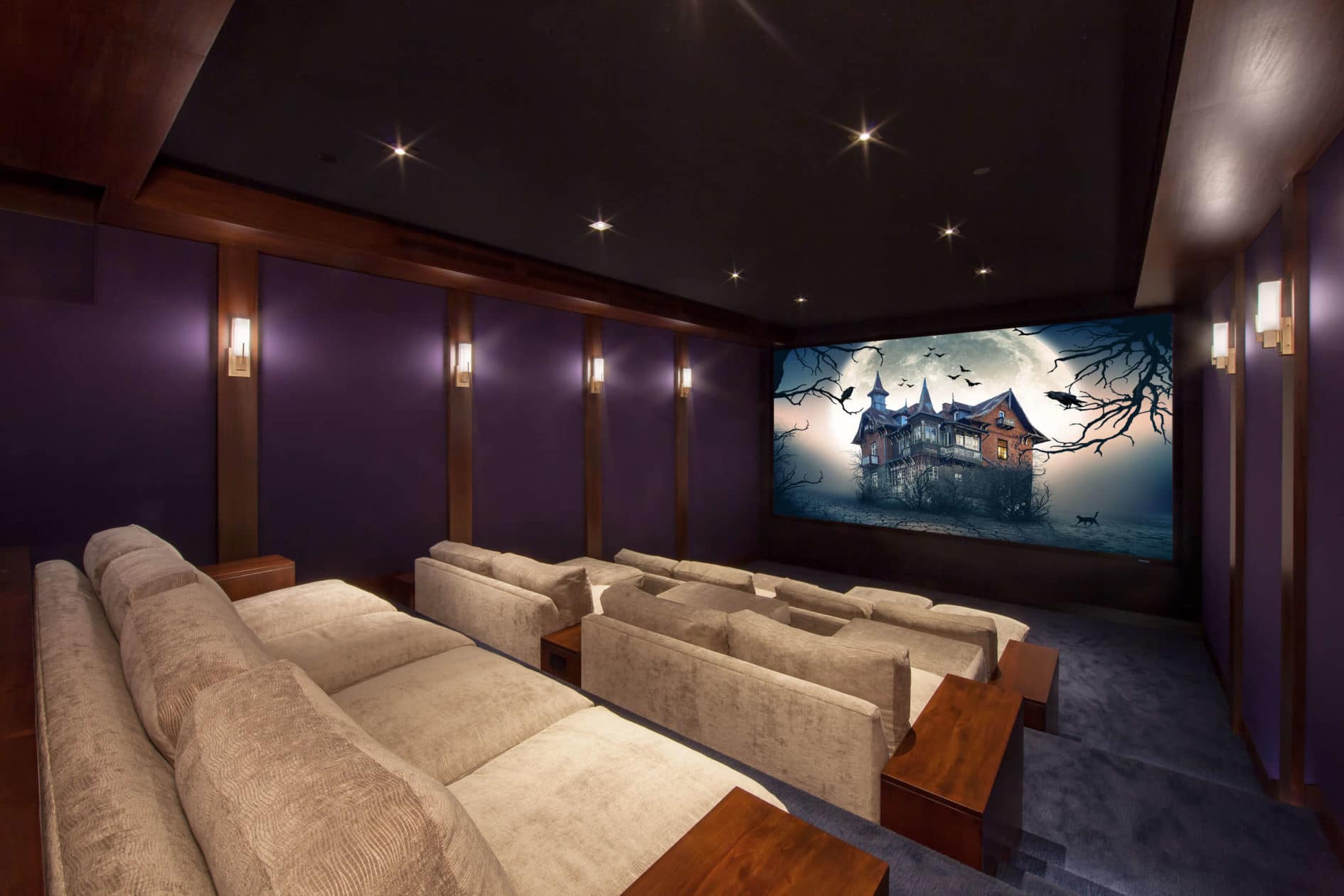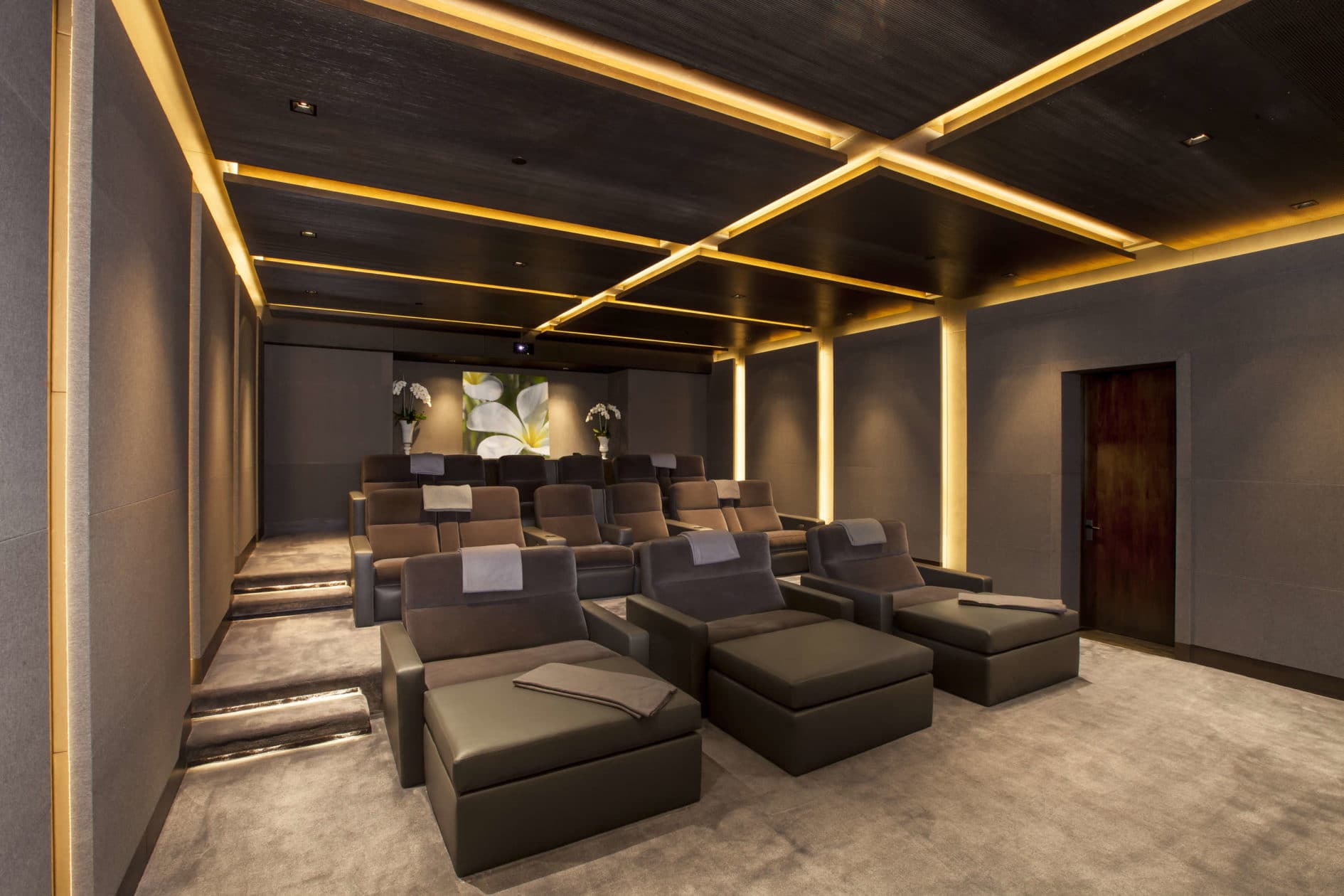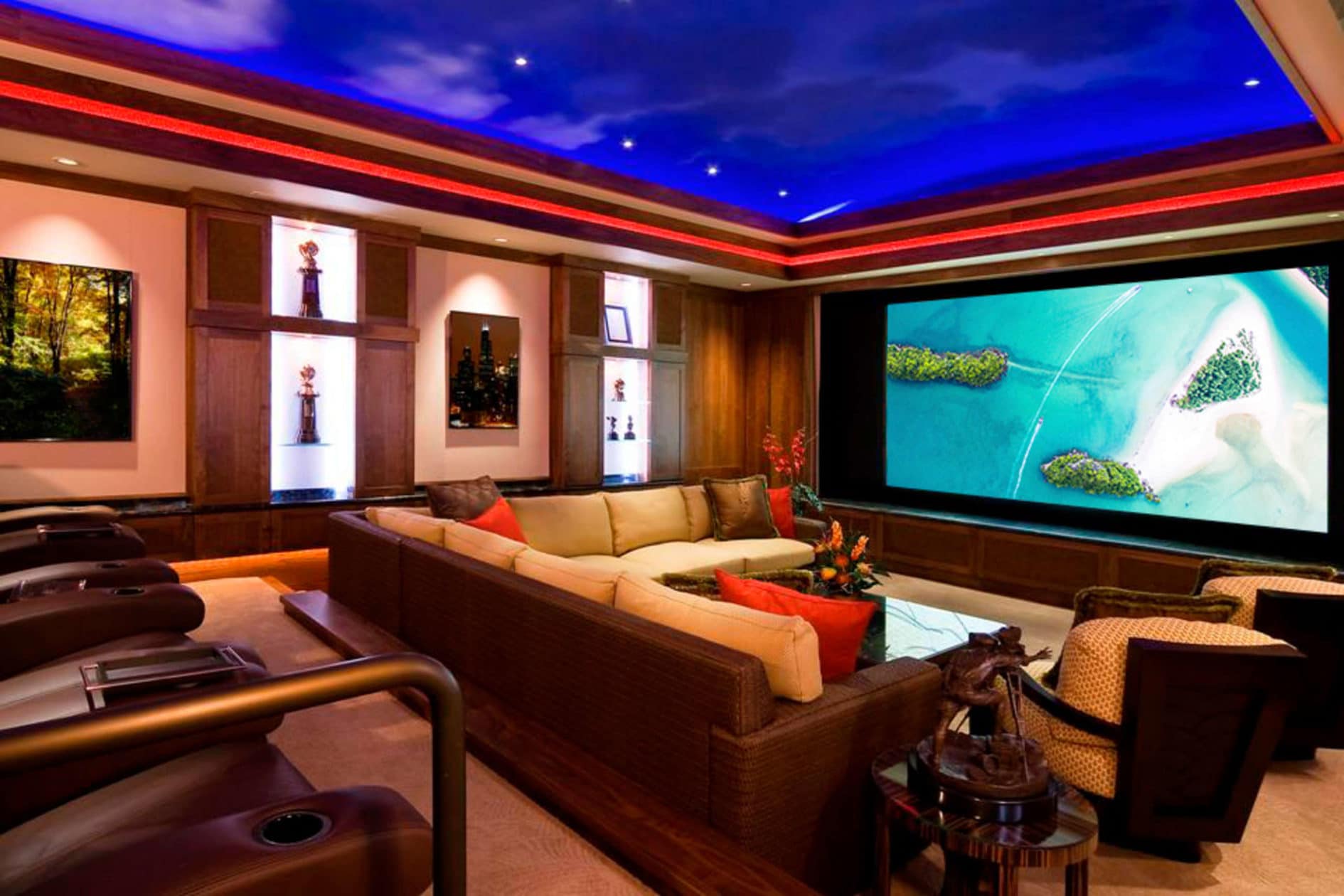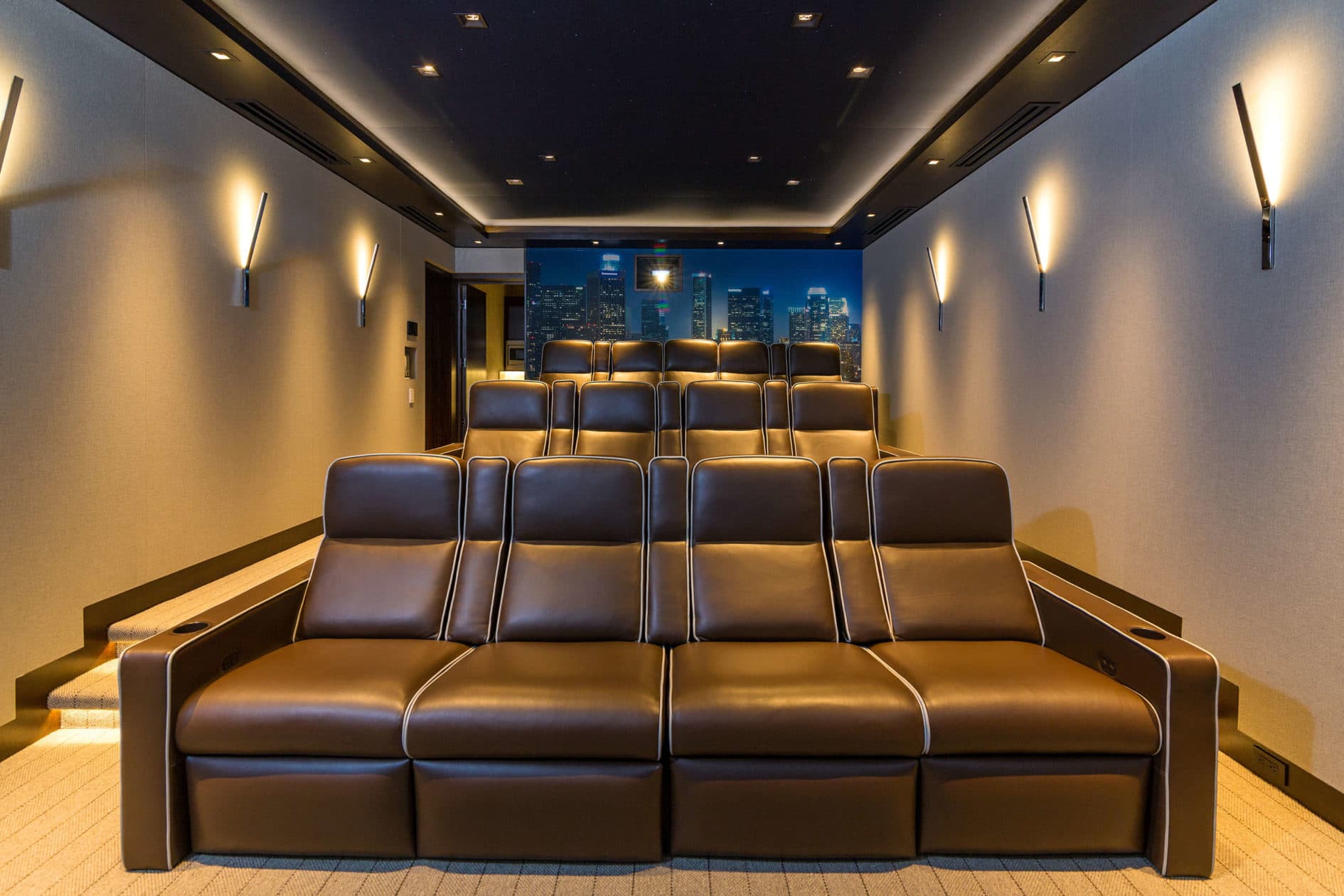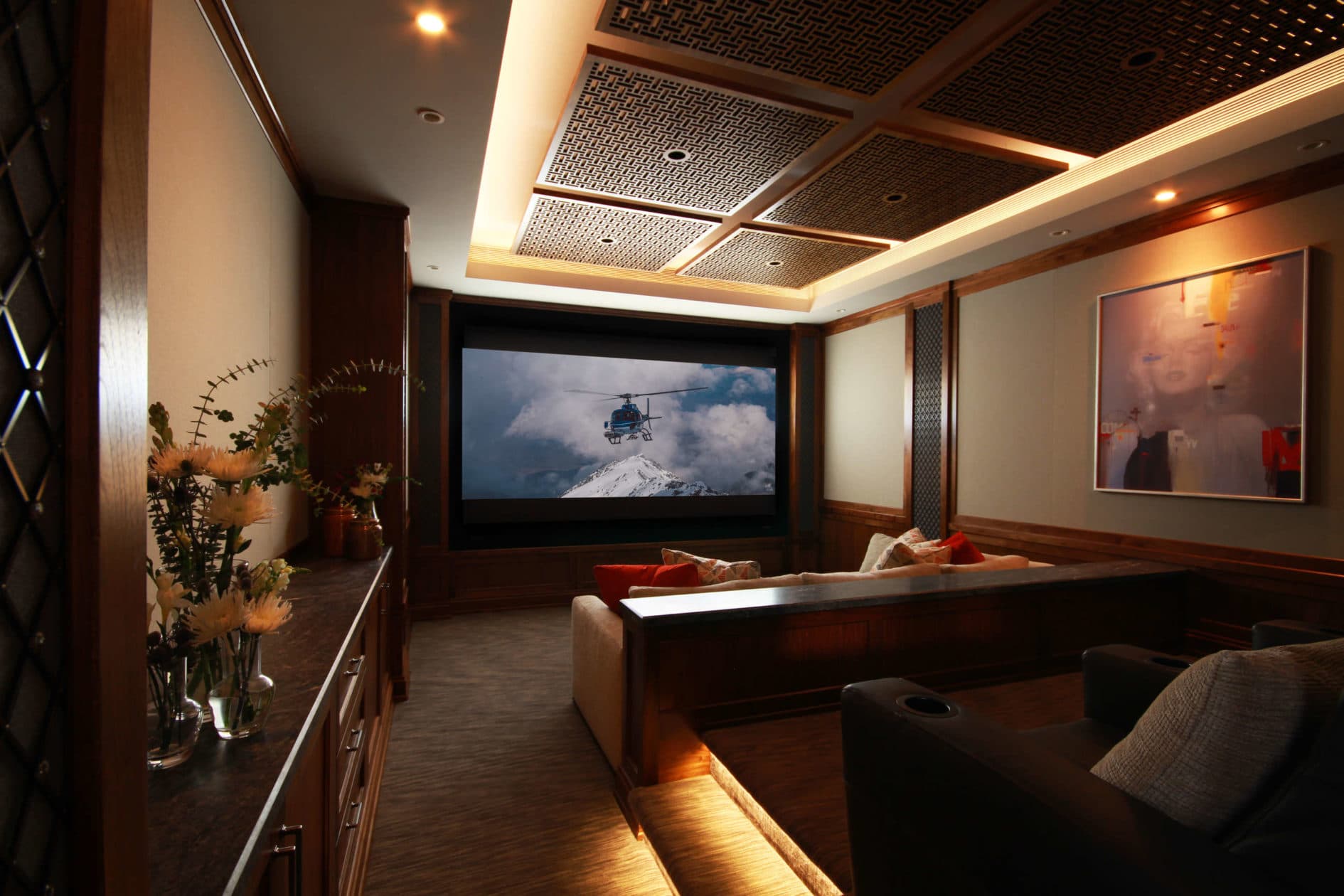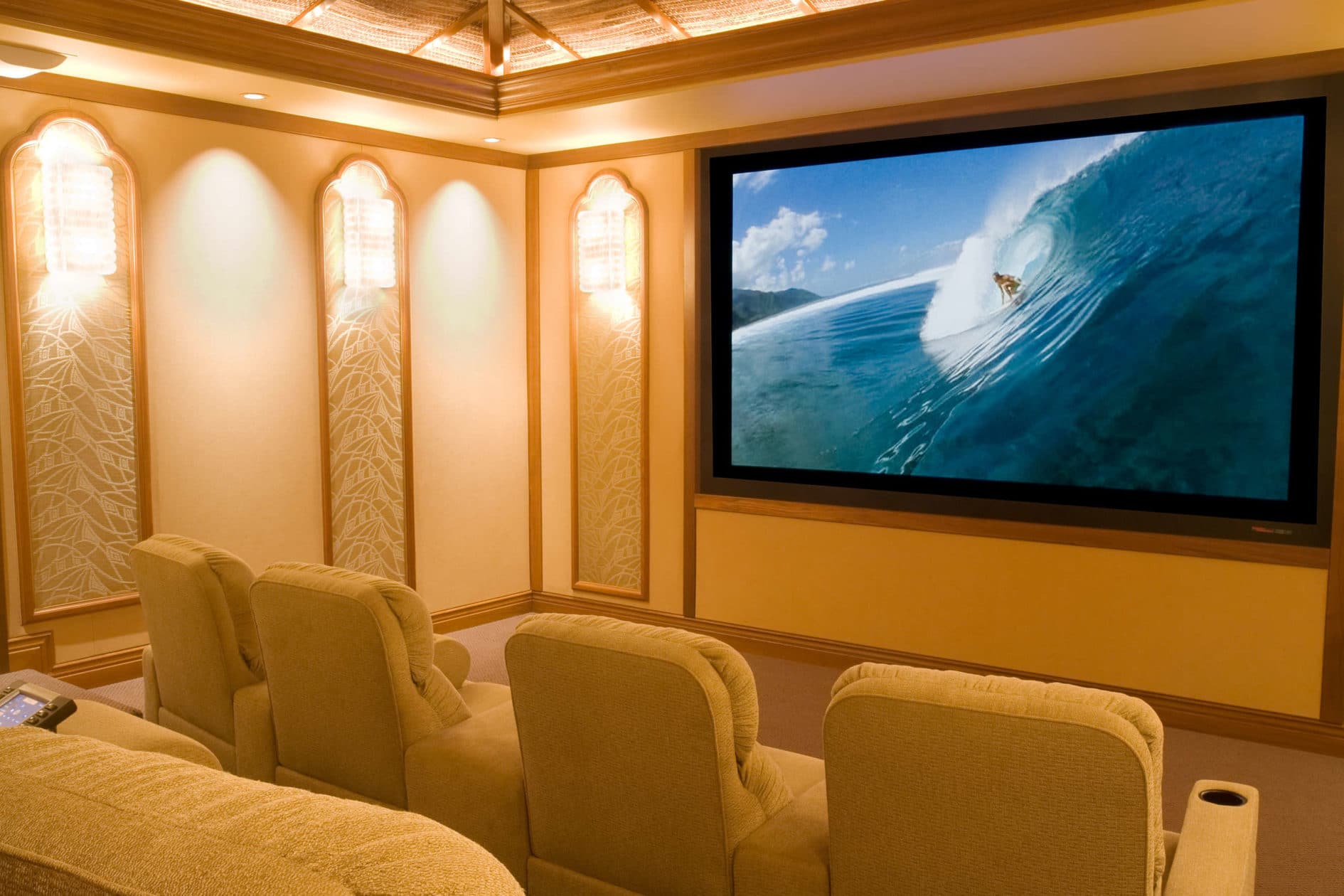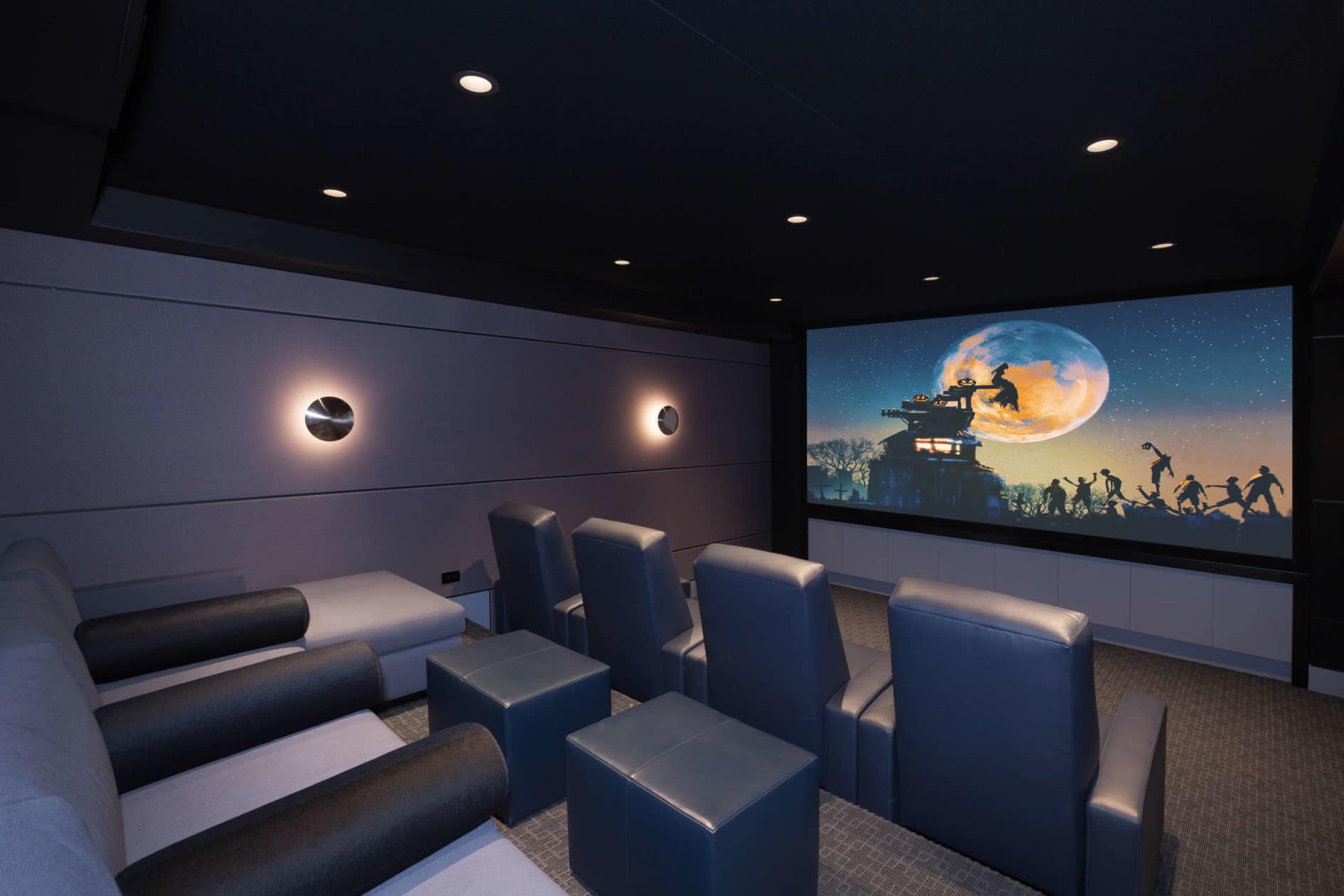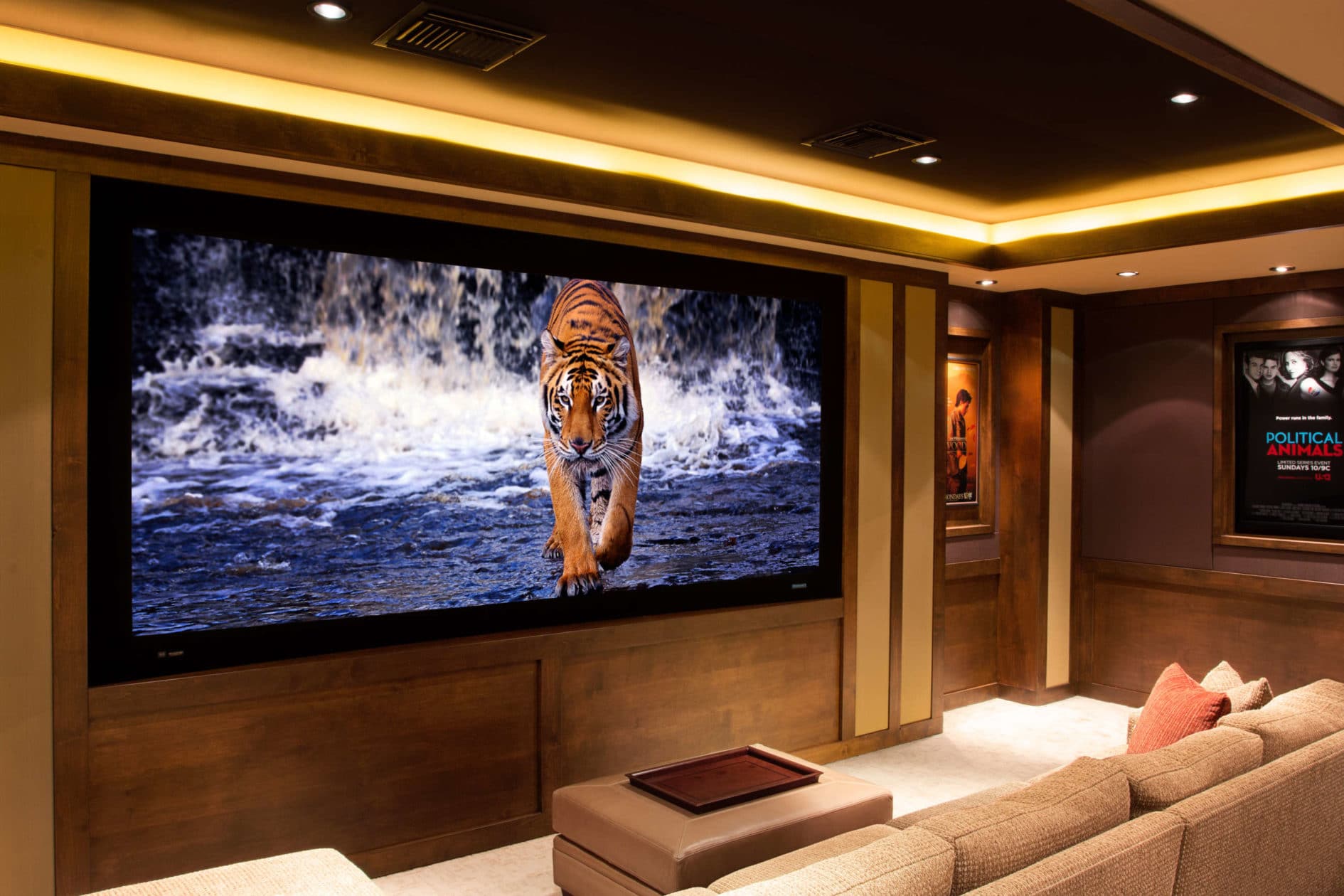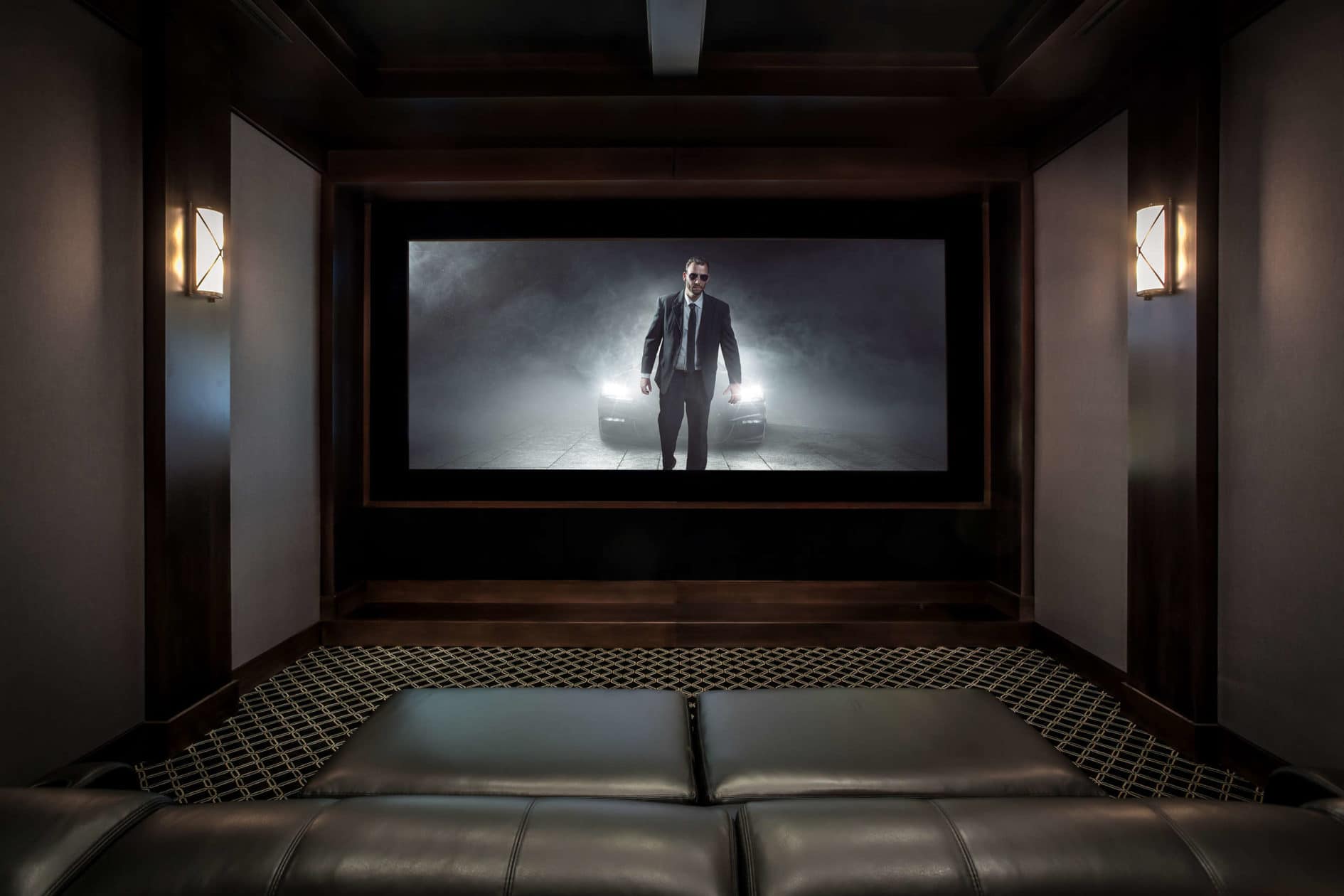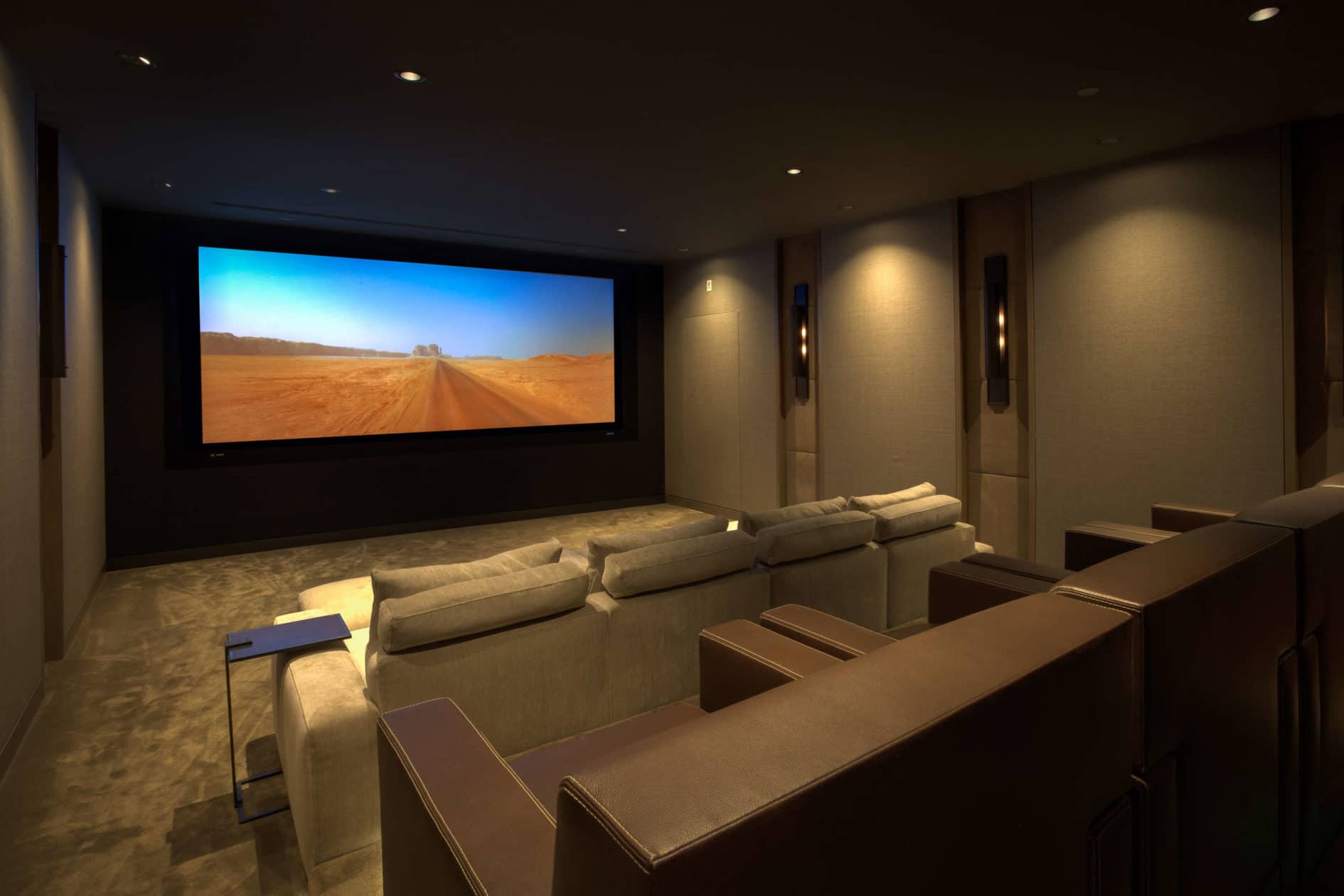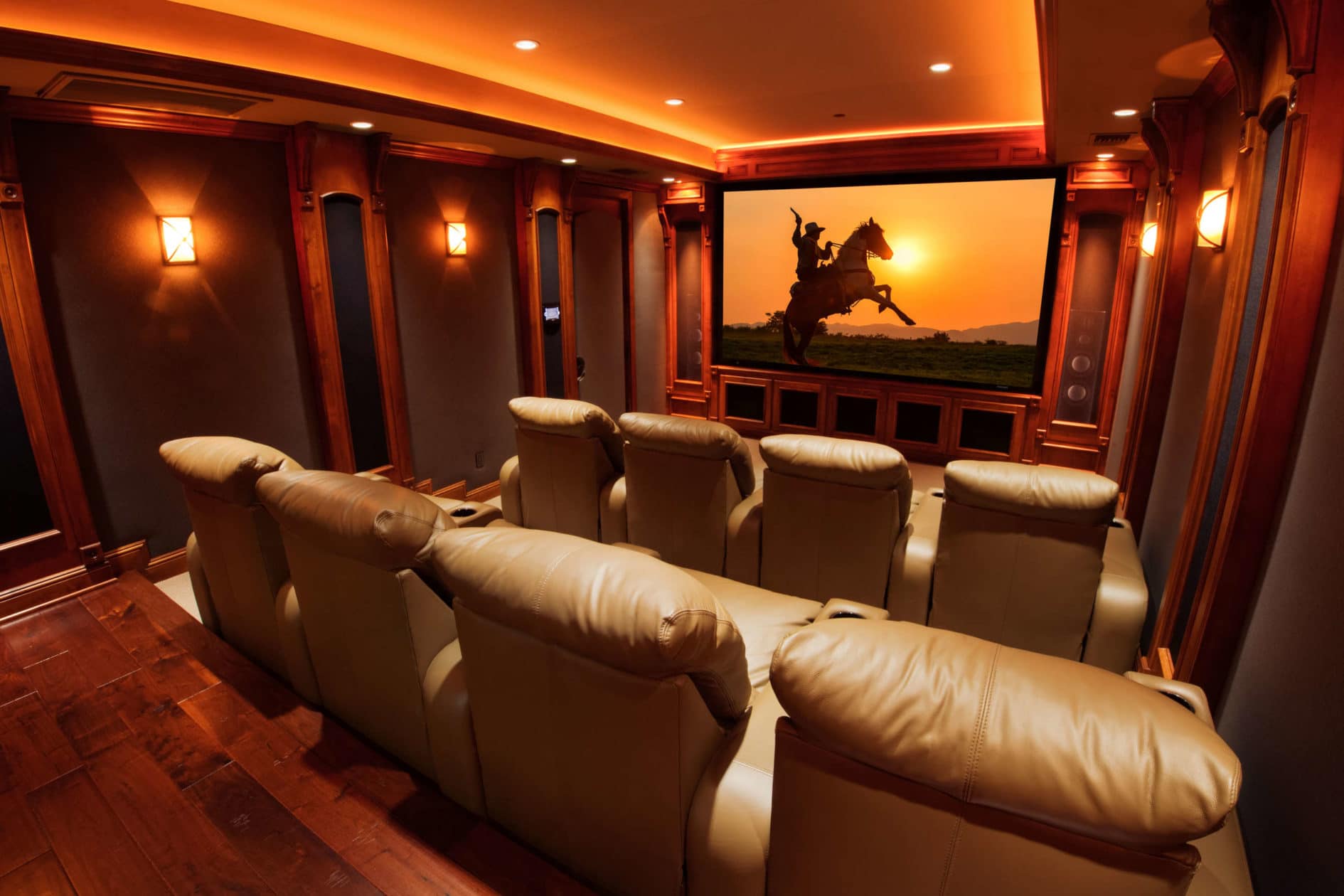
3 of Paradise Theater’s Designs Entered in 2010 CEDIA Electronic Lifestyles Awards
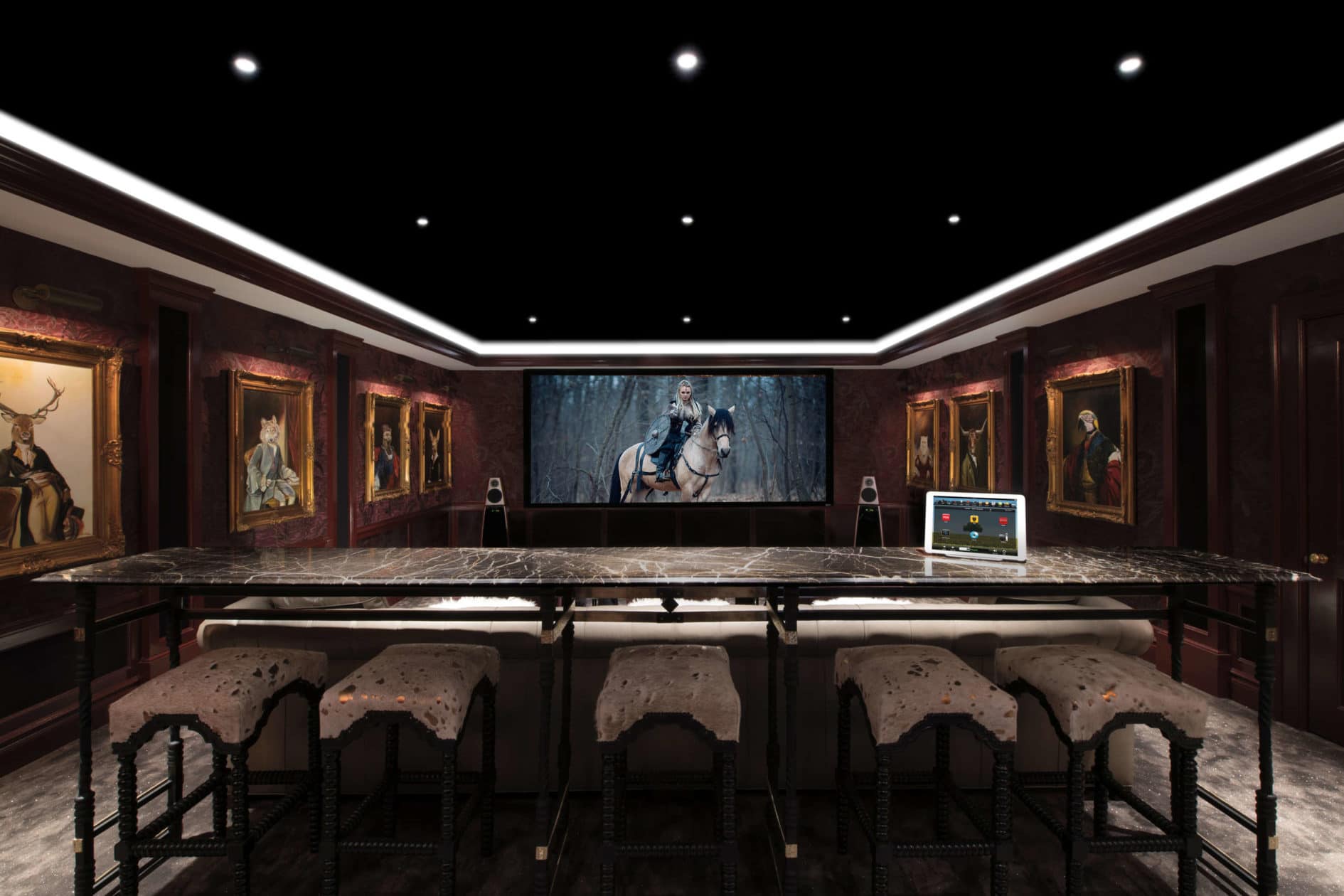
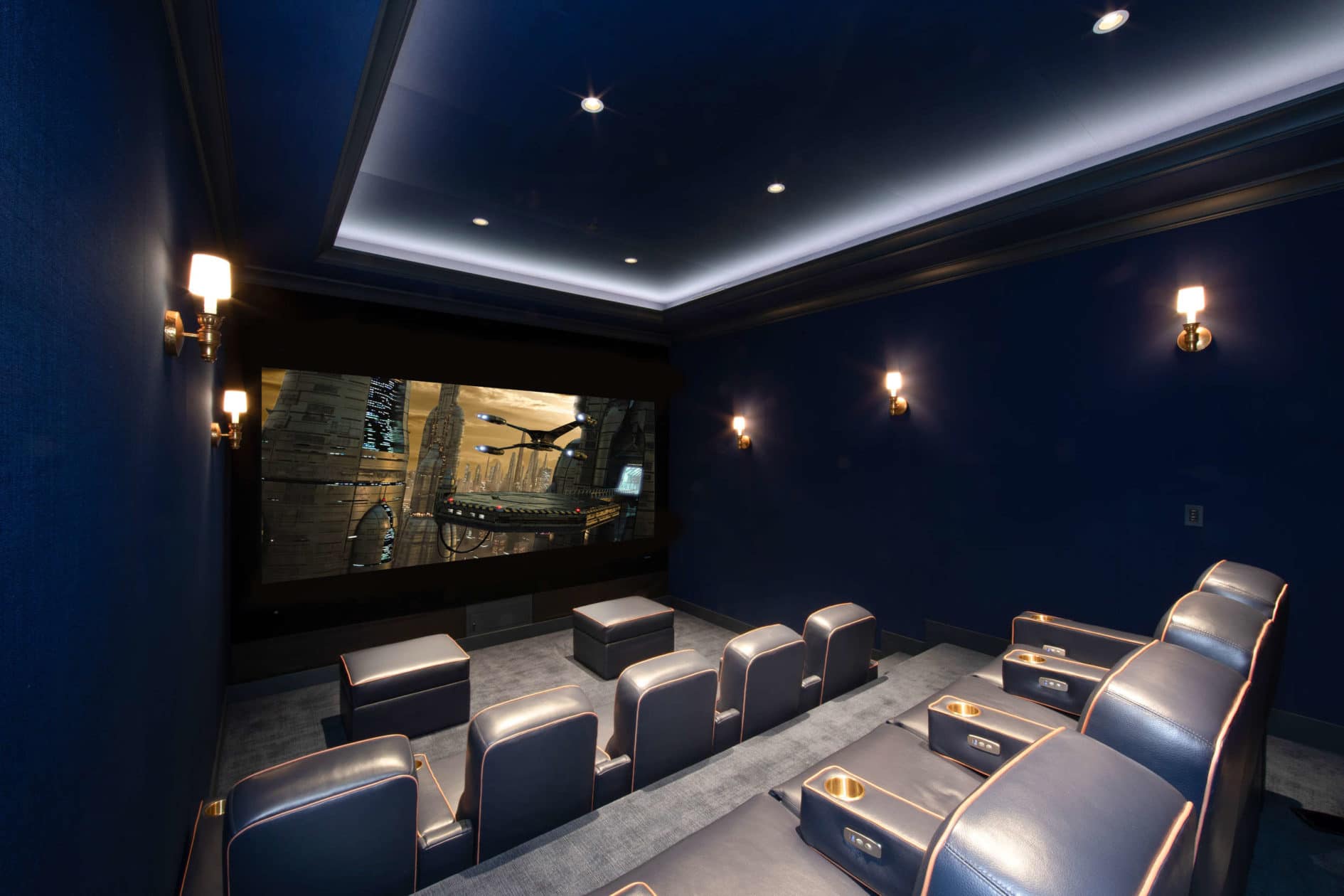
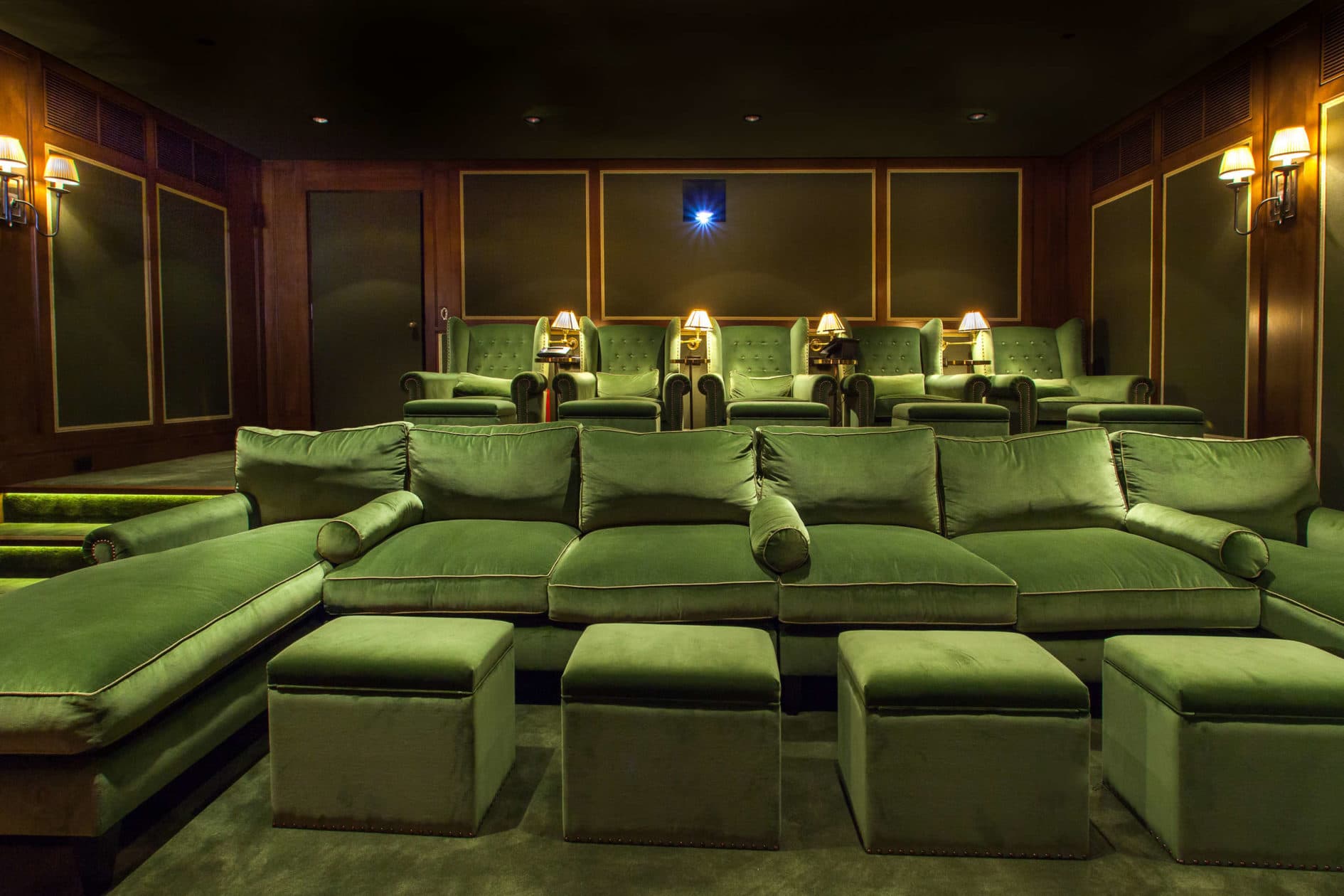
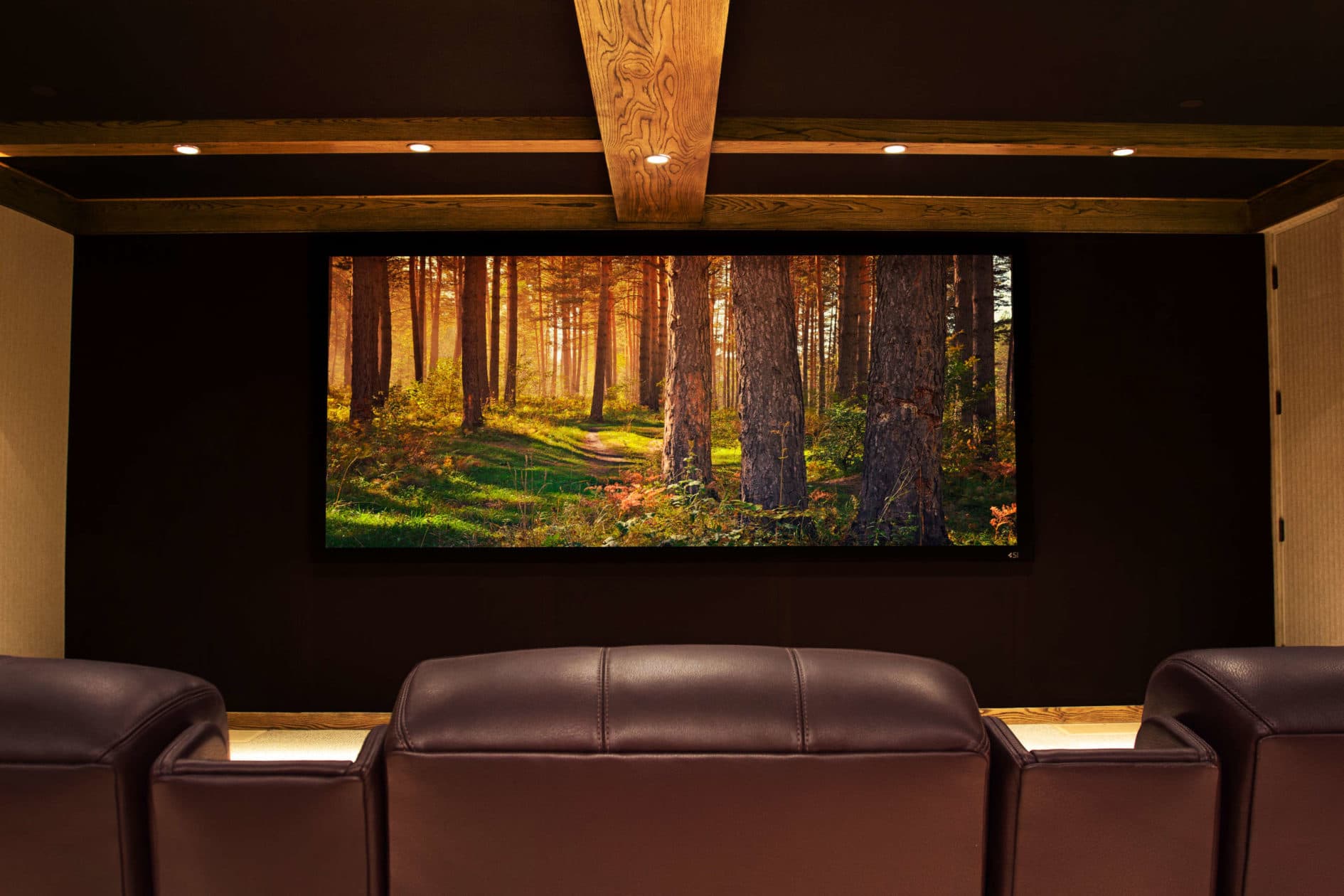
Paradise Theater continues to create innovative and high performance private theater designs. Working with our industry partners (system integrators, architects, interior designers, builders) around the globe, we’ve had another very successful year in 2010 as demonstrated by 3 of our top designs being entered in CEDIA’s Electronic Lifestyles Awards Competition.
A big thank you to all of the parties who worked together to make these projects a huge success!


Confusion or Fusion – An Article by Sam Cavitt
When Aesthetics and Acoustics Collide in a Theater Design

Private theaters boasting stunning interiors and exceptional performance can be realized with planning, cooperation, and collaboration. Unfortunately this does not always come easily or naturally.
Often various members of a theater project may have different and opposing objectives. The theater designer may be focused on the acoustical environment, the integrator most concerned with the equipment, the interior designer has a style and finish palate in mind, and the clients may even have differing opinions. At some point these disparate objectives must become aligned.
Private theater projects come about in many ways and team members get involved at different stages. Many times a theater project is initiated by an interior design professional. This makes a lot of sense, because interior designers are involved in creating a living environment that enhances the client’s lifestyle. Read more »
How We Do Windows – An Article by Sam Cavitt
Controlling Light and Acoustics in Theaters Containing Glass

Large reflective surfaces in a home theater require acoustical consideration, and windows are particularly difficult to treat. If the window is also a door, such as sliding doors or decorative single light doors, the positioning and access/egress issues come into play, as well.
Try as we might, windows will “happen,” due to local building code requirements, architectural standards for a community, aesthetic sensibilities, and client preference. There are, however, exceptions for home theaters in the Uniform Building Code (UBC), and when that doesn’t work, automated shades are usually offer your best alternative.
Setting an Accurate Budget – An Article by Sam Cavitt
What To Ask Your Client To Help Establish Your Project’s Price
“Tight budget”, “no budget”, “big budget” what does it all mean? Often the first question we hear is “how much is it going to cost? And just as often we in the industry hasten to respond. But let’s step back and take a closer look.
What transpires when a client asks for a price and we provide one immediately? Unless we have clearly understood what the client is looking for and have accurately engineered the solution to deliver on that expectation, we have missed the mark. Not only that, we have failed to develop an opportunity to deliver excellence and establish our value. Read more »
A Room With Many Views – Article by Sam Cavitt
Keys To Designing A Non-Dedicated Home Theater For Your Client
I have never really liked the term, “dedicated theater,” because it does not really project the image of an entertaining environment. It reminds me of “serious listening.” If a system and room is really great, then I should be having far too much fun to be serious! Similarly, the term “dedicated theater” is often intended to infer the highest and best standard of home theater, but that’s not always the case.
This client wanted a first-rate home theater but had additional purposes, such as use as a video editing studio, that had to be considered. If we take a look, historically, at commercial theaters we find that many of the great classic rooms have been repurposed and survive because of mixed use. In fact, if we look into it, the best surviving classic theaters have been repurposed for live performances followed by live theater. Why? Simply put, theaters that were designed and built well enough can support these activities, too. The distinguishing characteristics of these rooms are good acoustics, good seating positions and sight lines, and good architecture and design. Read more »
Working Closer Together – Article by Sam Cavitt
Collaborating On A Theater Design Adds Profit Opportunities
One of the greatest missed opportunities of home theater design is the potential for collaboration. Often integrators ignore interiors, design professionals overlook integrators, builders dismiss essential features, and architects don’t want to be bothered.
Private theaters are joint efforts. Architecturally, a private theater is a room that has potential to impact the other living spaces within the structure of the home. Aesthetically the theater setting is part of a larger environment designed for a desired look and feel. Structurally, theater rooms embody all the subsystems (hopefully with the exception of plumbing) found in any residential construction project. Operationally the system must be equipped to suit the room. Functionally the environment has to be engineered to deliver performance. Most importantly, experientially, the result must thrill the client and prove to be worth the effort.
Webinar: Essentials of Private Theater Design
Did you miss our booth presentations this year at CEDIA Expo? If so, here’s your second chance to hear Sam Cavitt of Paradise Theater talk about the Essentials of Private Theater Design. Join us on Wednesday November 18 @ 10 Am Pacific time for this webinar.
Due to the success of our booth presentations given by Sam Cavitt of Paradise Theater at this year’s CEDIA Expo – we’ve decided to offer the presentation to everyone who could not make it to those live presentations on the show floor. A webinar introduction will be provided by Jeremy Glowacki, Editor of Residential Systems magazine.
The New Home Theater Aesthetic – Article by Sam Cavitt
How To Artfully Blend Your Room’s Form And Function Together
Much has been said about the “home theater experience,” and many profess the ability to deliver it. A manufacturer will claim that their product is the answer, while an engineer will point to his ability to provide performance, and a designer will emphasize the importance of the décor. Though systems and engineering are key components and cannot be dismissed, these are the functional aspects of the “form must always follow function” rule, and without good form we cannot have a great home theater experience.
Two Home Theater Design Essentials Workshops Scheduled for Mid-Atlantic Region
The popular Workshop Series (locally sponsored by rep firm Hill Residential Systems) will be delivered to Architects, Designers and Builders in the Baltimore and Philadelphia areas.
Top 10 Advantages for working with Paradise Theater
- Advantage #1: PROFITABILITY. We are a profit source for you. We work directly with integrators and provide you a dealer price that is marked up to your client.